

Ava Scott
Production Dramaturg
Emma Fath
Production Dramaturg

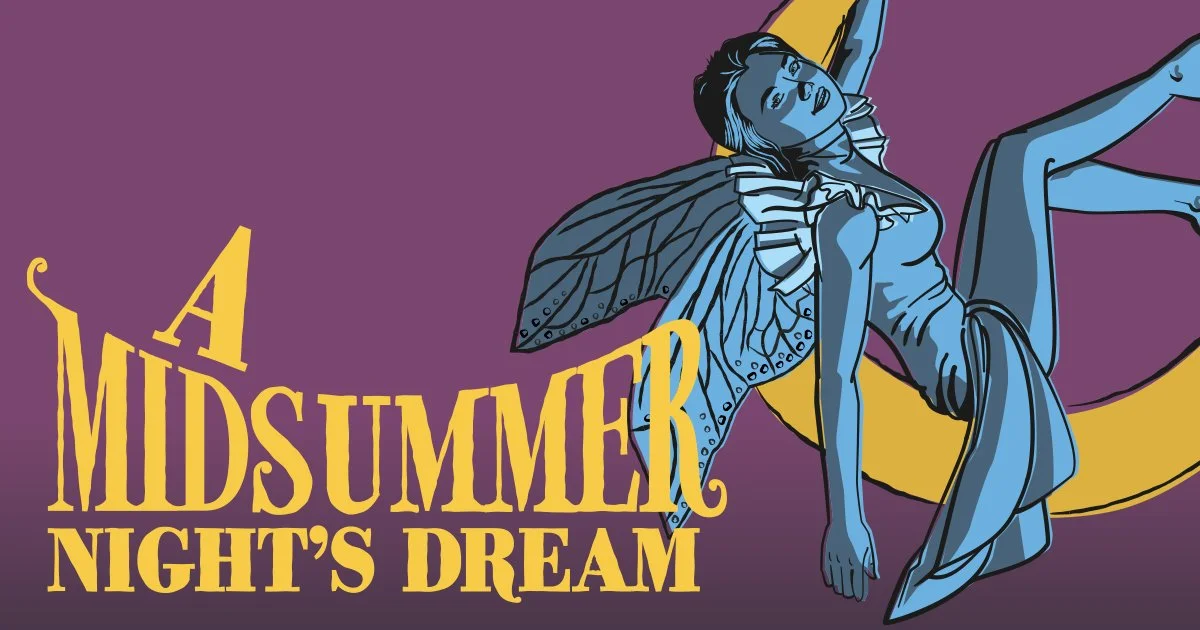
Hello everyone! We are so delighted to be working with all of you and this is the Dramaturgy Website for Loyola University of Chicago’s Spring 2026 production of A Midsummer Night’s Dream by the great Shakespeare himself! Here you will find all the information you need such as understanding the world of the play. This is a working document and if you have any questions please be free to contact us! We’ll be happy to find what you need to better understand! We can’t wait!
Contact Information:
Emma Fath: efath@luc.edu
Ava Scott: ascott18@luc.edu
Welcome!

About the Author
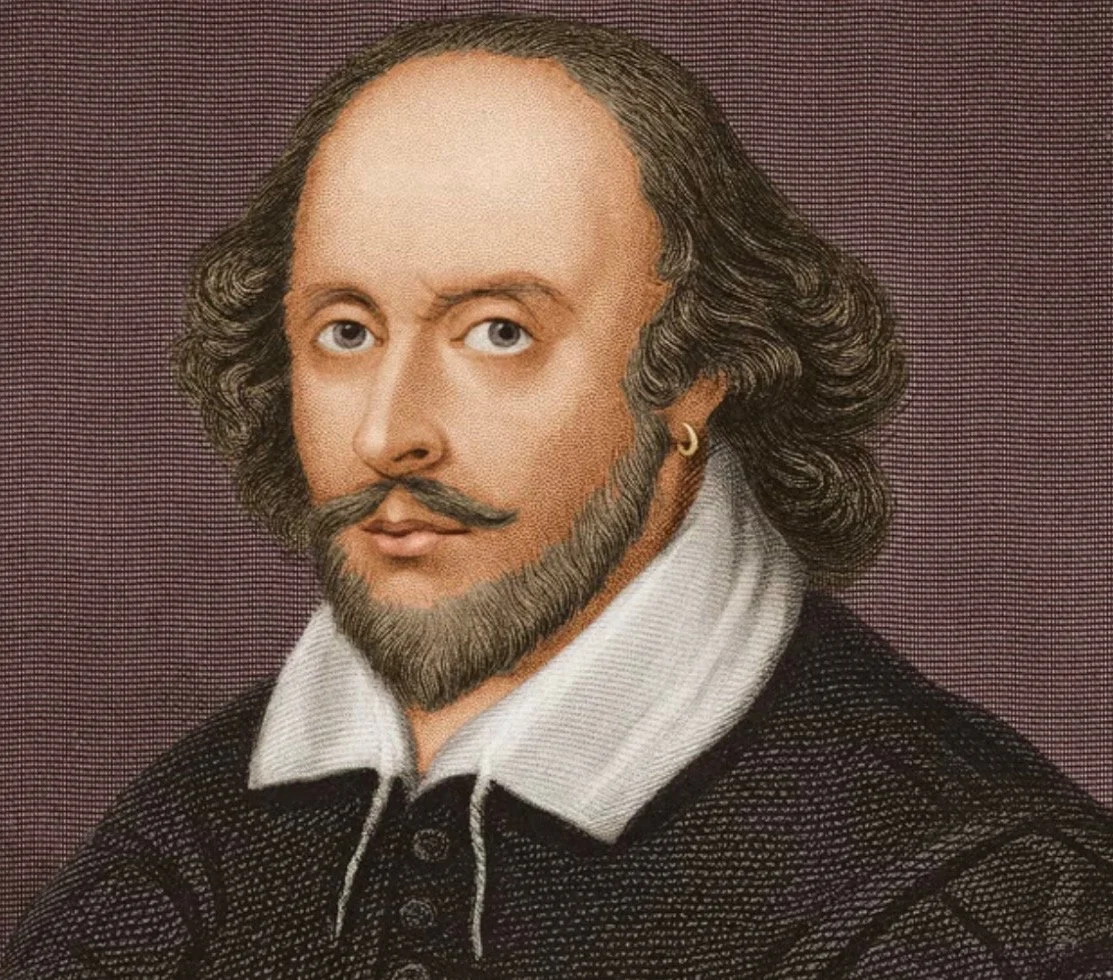
A poet and actor, Shakespeare was part of the Renaissance era between 1564–1616. During his lifetime, Shakespeare wrote 37 plays, 154 sonnets, and narrative poems. It took Shakespeare until 1593 to start putting his name on the map, when he joined the Lord Chamberlain’s Men; later, the group would change their name to the King’s Men in 1603 in honor of James I. He would write his plays at his estate in Stratford and come to London to perform with his group. In 1599, the famous Globe Theatre was finally built, where his play Julius Caesar was performed, which eventually sent him down the path of success. Even Queen Elizabeth I was supportive, despite never attending a performance herself. Shakespeare’s writing has many themes of historical relevance, tragedy, and comedy, similar to those found in ancient Greece. Shakespeare used a conventional style while also using metaphors and rhetorical phrases. Shakespeare has greatly impacted the world, as he coined over 1,700 new words during his time, some of which are still used in the modern English language. Though the cause of Shakespeare’s death is uncertain, his legacy remains one of the strongest in today’s world, impacting not only theatre but modern society as well.

Summary and Major Plot Points!
On the eve of Theseus and Hippolyta’s wedding in Athens, a young woman named Hermia is told she must marry Demetrius or face death. Because she is completely and deeply in love with Lysander instead, the two lovers decide to escape the rules of the city and run away together through the enchanted forest. They are secretly followed but Demetrius, who is determined to win Hermia, and Helena, who is completely in love with Demetrias.
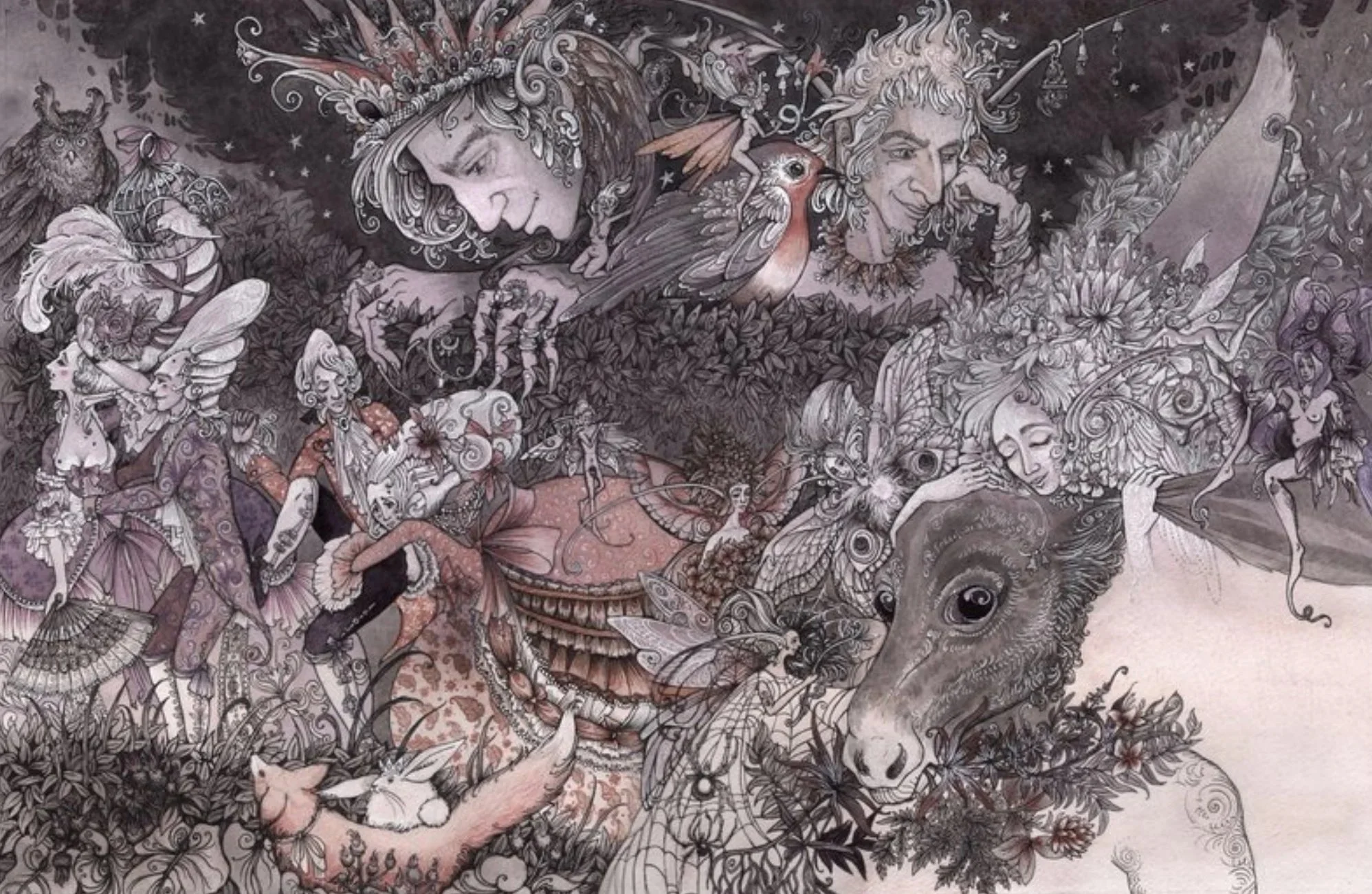
Inside the forest, a second world is unearthed, the realm of the fairies. The fairy king and queen Oberon and Tatania are locked in a huge argument. Their argument is so intense that it throws the natural world into chaos. The seasons, weather, and the overall balance of nature is disturbed. The fairies are in full influence of the environment throughout the play.
To regain control, Oberon sends his servant Puck, a mischievous, quick and playful spirit, to use a magical flower which makes any person fall in love with the first person they lay eyes on. However, Puck messed up Oberon plan and accidentally made both Lysander and Demetrius fall in love with Helena, leaving Hermia completely betrayed. The fairies, especially Puck become the invisible creatures that create chaos.
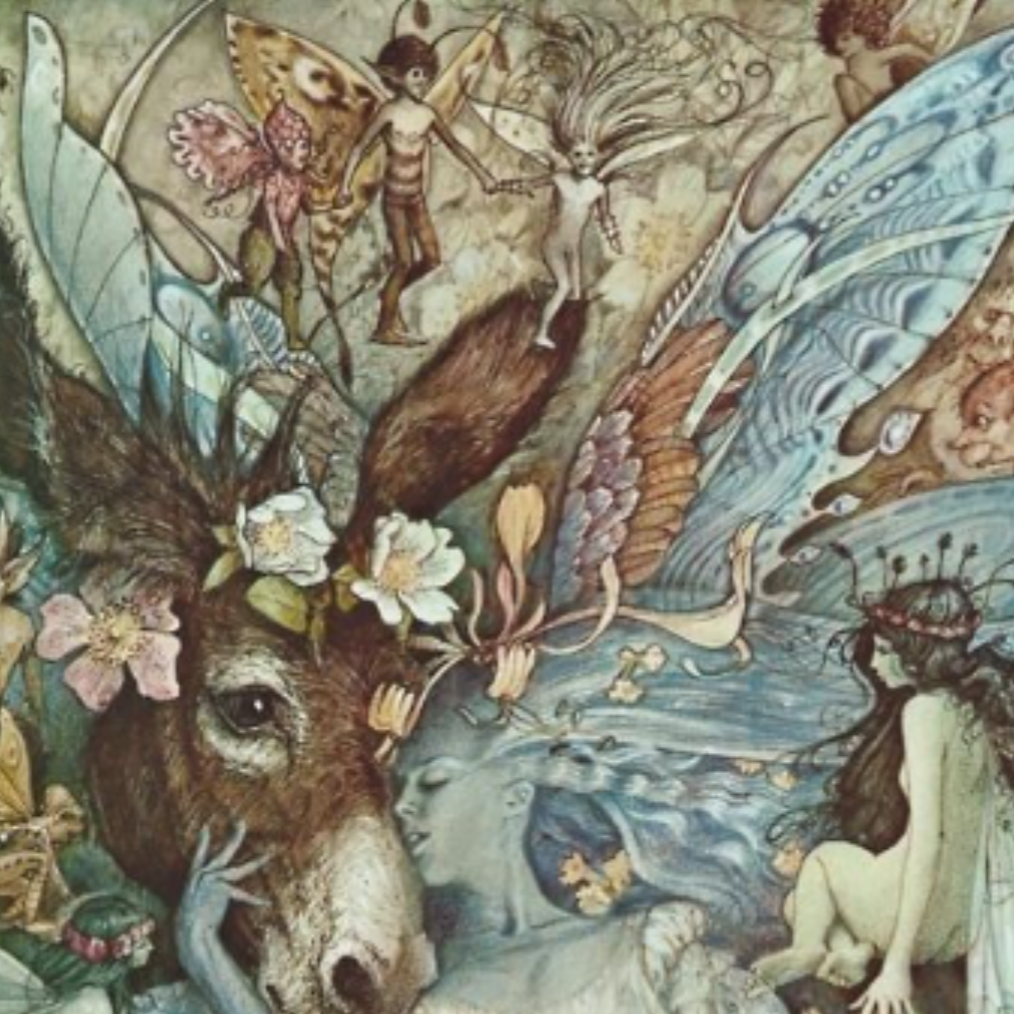
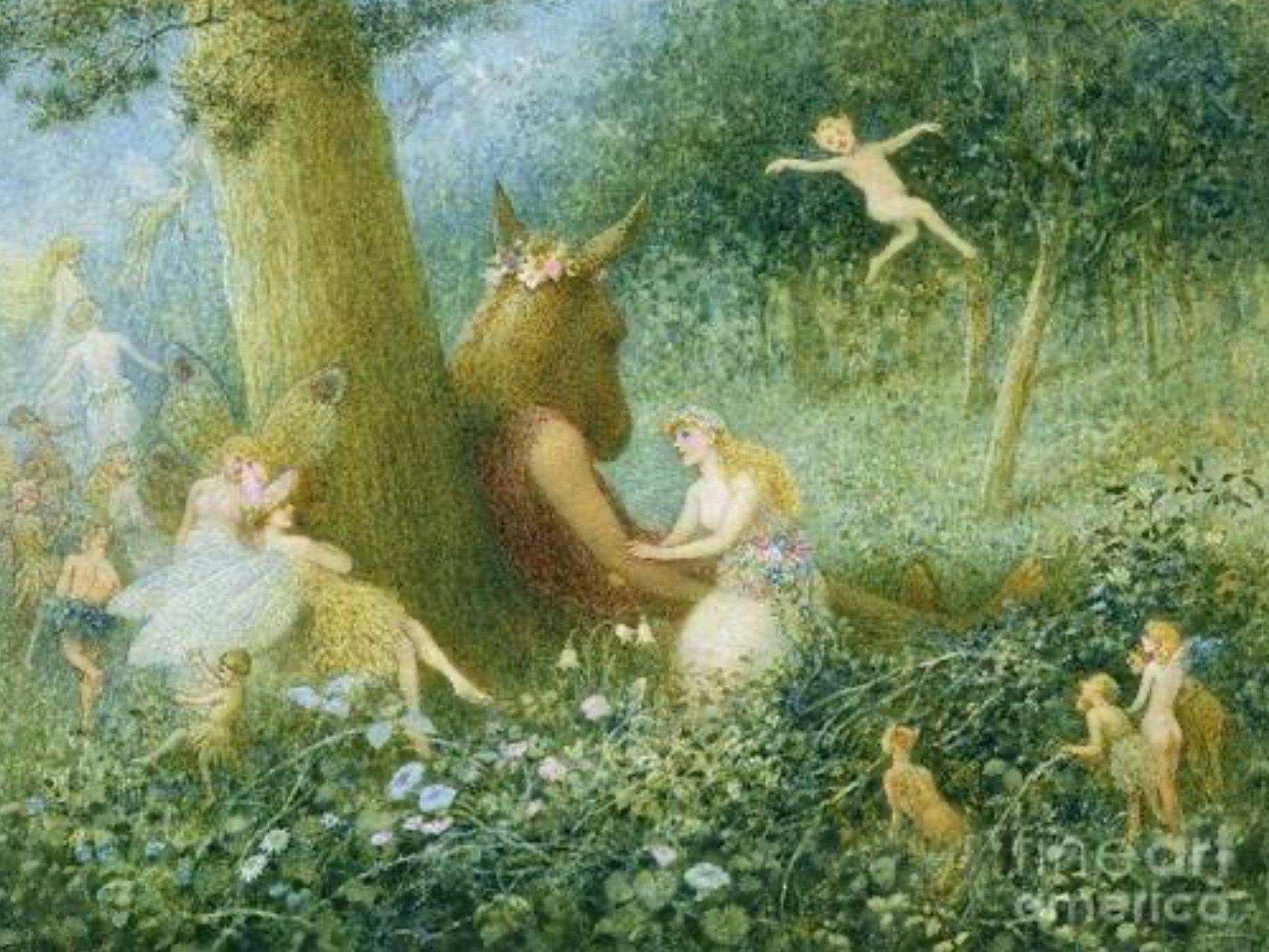
Meanwhile, Oberon uses the same magic on Tatania so that she wakes up and falls in love with Botton, a weaver who is rehearsing the play Pryamus and Thisbe for Thesus and Hippolyta’s wedding. However, Puck joking turned Bottom’s head into that of a donkey, so Tatian is completely infatuated by a half donkey man.
Eventually, Oberon realizes the mess that Puck had created and make both Lysander and Hermia fall in love again, ends the romance between Tatiana and Bottom, removing Bottom’s donkey head and Tatiana and Oberon’s love is rekindled. Harmony in the fairy world was restored therefore restoring the piece in all of nature.
By dawn, the lovers are correctly paired: Hermia with Lysander, Helena with Demetrius and Thesus overrules the harsh law allowing each partnership to marry who they truly ove. The story ends back in the real with with a hilarious yet heartfelt perfmace of Pyramus and Thisbe and the Trimble wedding of Theseus and Hippolyta’s, Hermia and Lysander and Helena and Demetrius. After the wedding, Puck steps forward, breaking the fourth wall, to suggest that if anything seemed too strange or wild, we could simply imagine the entire play was nothing more than a dream.
Characters:
Hermia:
A woman from Athens and the daughter of Egeus. She is close friends with Helena and deeply in love with Lysander. She is self-conscious due to her short stature, despite being one of the strongest women in the play. The forest creates confusion and causes her to act out of her nature, making her insecure. Though Hermia struggles, she is a strong role model and is meant to represent resistance against male authority and restrictive social norms.
Lysander:
A man from Athens who is deeply in love with Hermia. Their love is meant to represent the idea that love can be difficult but can persevere. He becomes a victim of the magic, which skews his feelings from Hermia to Helena. His character is passionate, poetic, and musical. He is also clever and relatively well-balanced as a character.
Titania:
The beautiful Queen of the Forest who rules over the fairies. She disagrees with Oberon at the beginning of the play and resists his ideas. She becomes estranged from Oberon when she is placed under a love spell and briefly falls in love with Nick Bottom. Titania represents what a woman could be in the world of the play: strong-willed and independent. Under the spell, however, she becomes submissive and vulnerable. She also represents nature and grace within the forest. Her character is complex, as external forces cause her to act against her true nature.
Theseus:
The Duke of Athens, seen as heroic throughout the land. He represents power and order throughout the entire play. He is fair and sensible, though he gives little credibility to the fantasies of the lovers at the beginning. He is devoted to making his future wife happy, which is a major part of his character.
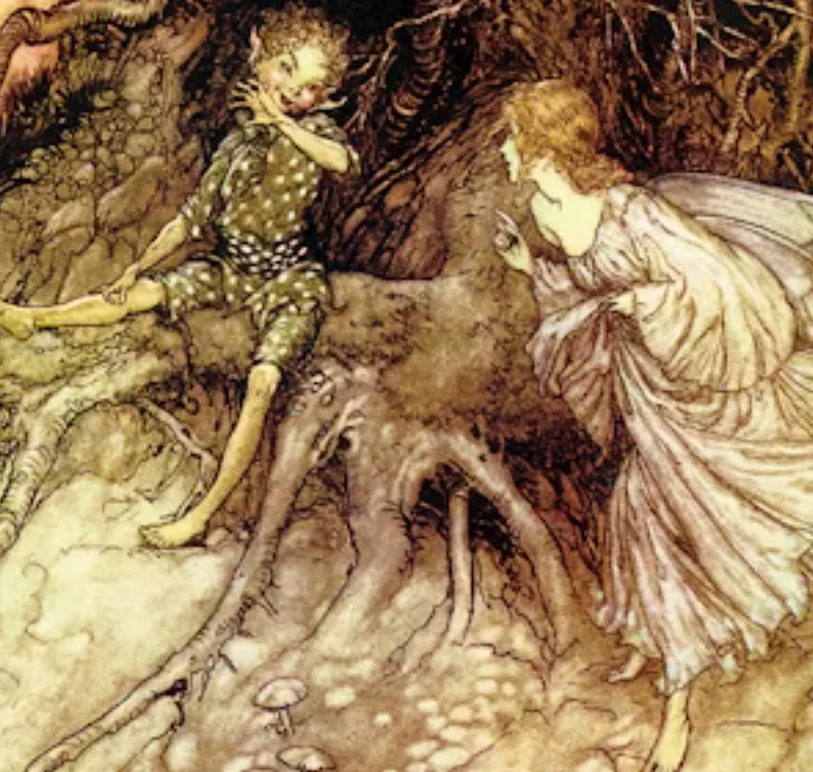
Puck:
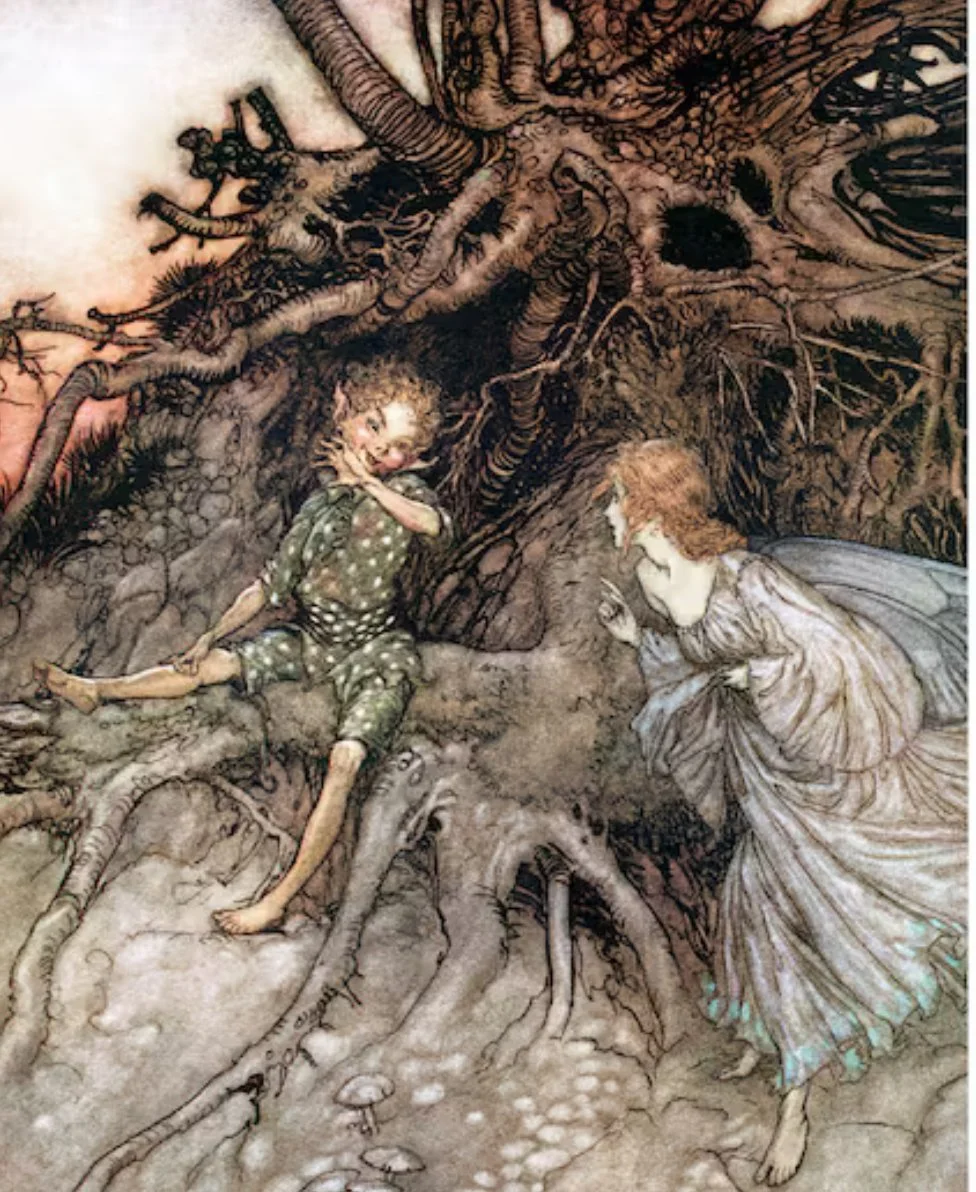
Also known as Robin Goodfellow, Puck is Oberon’s jester. He delights in pranks and is responsible for much of the chaos in the play. He is fun-loving but mischievous and thrives in the forest environment. He is capable of great magic and is loyal to Oberon. Although he causes many problems, he does his best to fix them in his own mischievous way.
Egeus:
Hermia’s father, who demands that his daughter obey his wishes. He leaves no room for argument and refuses to allow Hermia to choose love for herself. He becomes so obsessed with control that he is willing to have his daughter killed if she disobeys him. Although Theseus eventually overrules his decision, Egeus remains angry and rigid.
Francis Flute:
A bellows-mender chosen to play Thisbe in the play organized by Peter Quince. As a man playing a female love interest, he is determined to perform in what he believes is a female voice. He is hesitant and protests at first, but later becomes confident in his role. He is kind-hearted and passionate about the performance, gaining confidence throughout the play.
Tom Snout:
The tinker of the group and the most timid among the mechanicals. His role is to play the wall separating the lovers in the play. He has a bubbly personality but is often overshadowed by the confidence of others. His self-doubt contrasts with his determination to perform his role as best as he can.
Philostrate:
The organizer in charge of the wedding celebrations for Theseus. Somewhat snobbish, he attempts to censor the mechanicals’ play but fails. His official title is “Master of the Revels,” which he takes very seriously. He represents Shakespeare’s critique of theatrical critics of his time.
Helena:
A young woman from Athens and close friend to Hermia. She was once in love with Demetrius, but he abandons her for Hermia. She is insecure about her appearance, and in the forest, she believes the men are mocking her. Helena is lovesick but also represents the emotional and irrational nature of love.
Demetrius:
A man who pursues Hermia despite Helena being deeply in love with him. His actions disrupt the balance between the lovers. He is fickle, selfish, and often cruel. His arrogance in love defines his character, and he ultimately remains under a spell that causes him to love Helena.
Oberon:
The King of the Fairies, who is vengeful toward Titania. He is at odds with his wife and uses magic to seek revenge, which leads to chaos. He is jealous and mischievous, a dangerous combination. By the end of the play, he reconciles with Titania and works to undo the damage he caused.
Hippolyta:
The Queen of the Amazons and Theseus’s fiancée. She represents order and balance in the play. Commanding yet compassionate, she is more sympathetic to the lovers’ experiences. She embodies maturity and true love in her relationship with Theseus.
Bottom:
A weaver who is extremely overconfident and often makes foolish mistakes. He frequently misuses language while trying to give advice. He plays Pyramus in the wedding play, which leads to his transformation into a donkey. His confidence is so strong that he is unaware of his transformation while Titania is in love with him. Bottom wants to play every role and is highly opinionated. He represents the blend of human and animal nature and serves as comic relief throughout the play.
Peter Quince:
A carpenter responsible for organizing the play for the wedding celebration. He is often overshadowed by Bottom’s confidence. Though hardworking and intelligent, he struggles to assert himself. He is determined to make the play successful but lacks authority over the group.
Robin Starveling:
A tailor originally cast as Thisbe’s mother but ends up playing the role of Moonshine. He represents the working class and the humble craftsman. Quiet and non-confrontational, he accepts his role willingly and does his best to perform it.
Snug:
The joiner of the group, cast as the lion. His main concern is frightening the women with his roar. He is anxious yet enthusiastic about his role. Though not very clever, he is eager to perform and gives his best effort.
The Fairies:
Cobweb, Mote, Peaseblossom, and Mustardseed serve Titania. They are playful, gentle, and obedient, especially toward their queen. They care for Bottom at Titania’s command and represent the magical influence of the fairy world on humans.
Midsummer has many themes through out the play as well as symbolism to understand the true meaning behind the art of Shakspeare.
Symbolism:
Themes:
Love:
In A Midsummer Night’s Dream, we learn that love can be fickle and often appears untrue depending on the circumstances. Although love can be false or misguided, true love that is earned can endure extreme obstacles and survive in the end. Whether love is forbidden or socially accepted in the play, it is ultimately the purest form of love that prevails.
Jealousy:
Oberon and Titania are jealous of each other, just as the lovers become jealous when they flee into the forest. In the play, jealousy only leads to conflict, anger, and emotional pain, rather than understanding or resolution. Magic is used as a supernatural force that both manipulates love and helps resolve the conflicts caused by jealousy.
Friendship:
Helena and Hermia are close friends at the beginning of the play, but their friendship is tested when both men begin to pursue Hermia. Conflict and misunderstanding cause them to turn against one another. In the end, they reconcile, demonstrating that genuine friendship can withstand trials, jealousy, and miscommunication.
Transformation:
Transformation occurs throughout the play through both magic and humor. Love and affection are transformed among the rulers and lovers, often through supernatural intervention. Bottom undergoes a physical transformation when he is given a donkey’s head, which terrifies his companions, who believe it to be a sign of the devil. These transformations help resolve the conflicts of the play, showing that change is necessary for growth and a happy ending.
Theseus and Hippolyta:
These characters originate from Plutarch’s Lives of the Noble Grecians and Romans and The Knight’s Tale. They represent order and stability throughout the play, despite not being romantically linked in Greek mythology. Shakespeare brings them together to portray a genuine and balanced romance that contrasts with the chaos experienced by the younger lovers.
Fairies:
In Tudor culture, fairies and spirits were often viewed as less benevolent and more vaguely menacing. Shakespeare uses this belief in the play through the mischief the fairies create. Their actions blur the line between harmless playfulness and danger, reinforcing the unpredictability of the supernatural world.
Athens and the Forest:
Shakespeare uses setting to contrast law and order in Athens with the whimsy and beauty of the forest. Athenian law ultimately fails as the mischief of the forest prevails, leading to happy endings. This contrast shows that the law demanding Hermia’s death for loving someone other than Demetrius is unjust, as Demetrius is not her true love.
Dreams:
Dreams are a crucial element of the play, reflected in its title. The dream-like quality creates an illusion that blurs reality and fantasy. Puck’s address to the audience is especially important, as it suggests the events of the play may have been nothing more than a dream, while also implying that the conflicts in Athens could still exist beyond the dream world.
Understading Theme and Symbolism
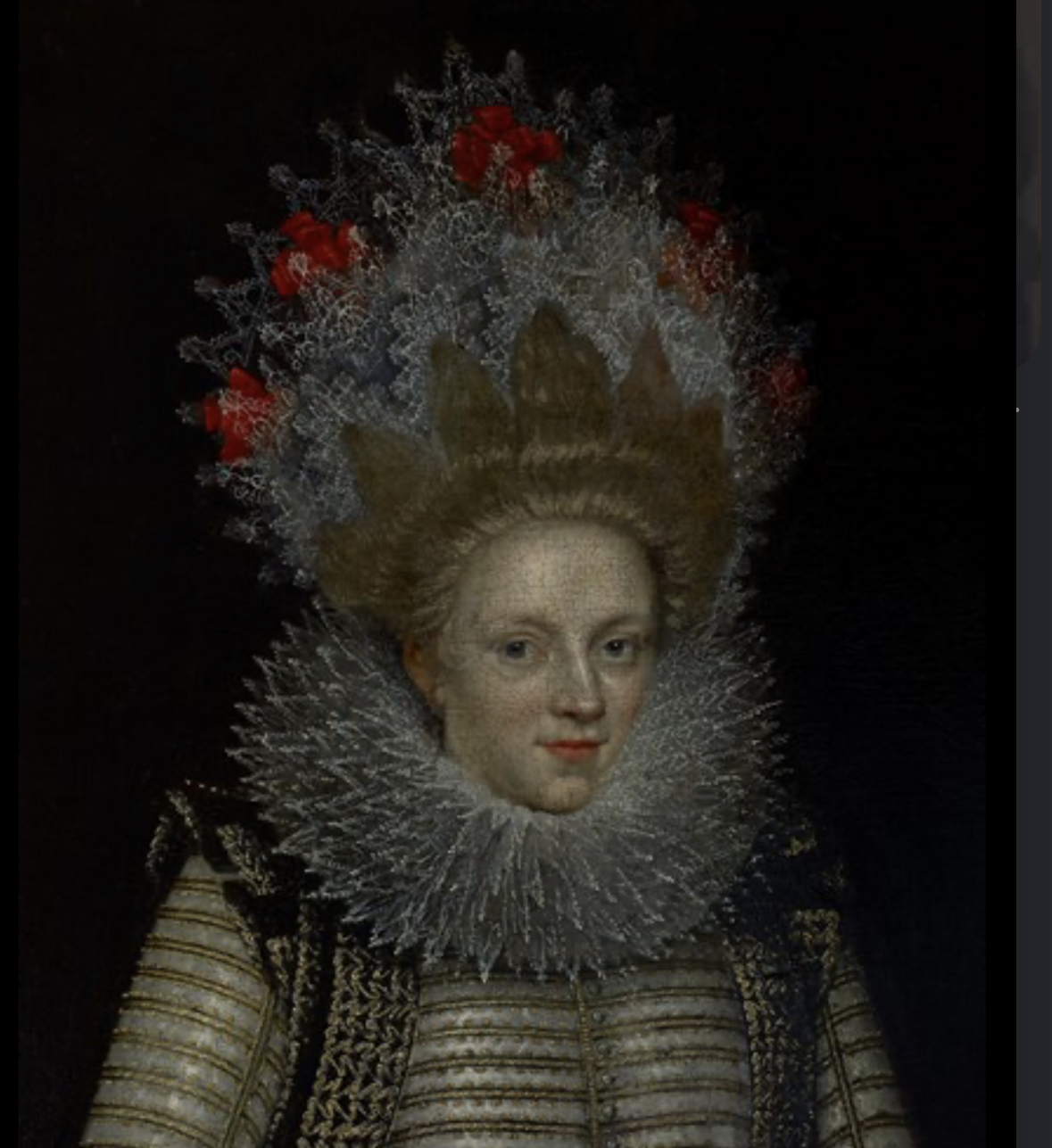
Shakespeare is believed to have written A Midsummer Night’s Dream for the wedding celebration of Elizabeth Carey, also known as Lady Berkeley. She was the daughter of an aristocratic Irish family and is recognized as one of the first women to write and publish an original play. Her work, The Tragedy of Mariam, the Fair Queen of Jewry, is considered a significant achievement in early English drama. Elizabeth Carey’s godmother was Queen Elizabeth I, who supported writers of the time by helping fund the publication of books and literary works.
Historical Background and England
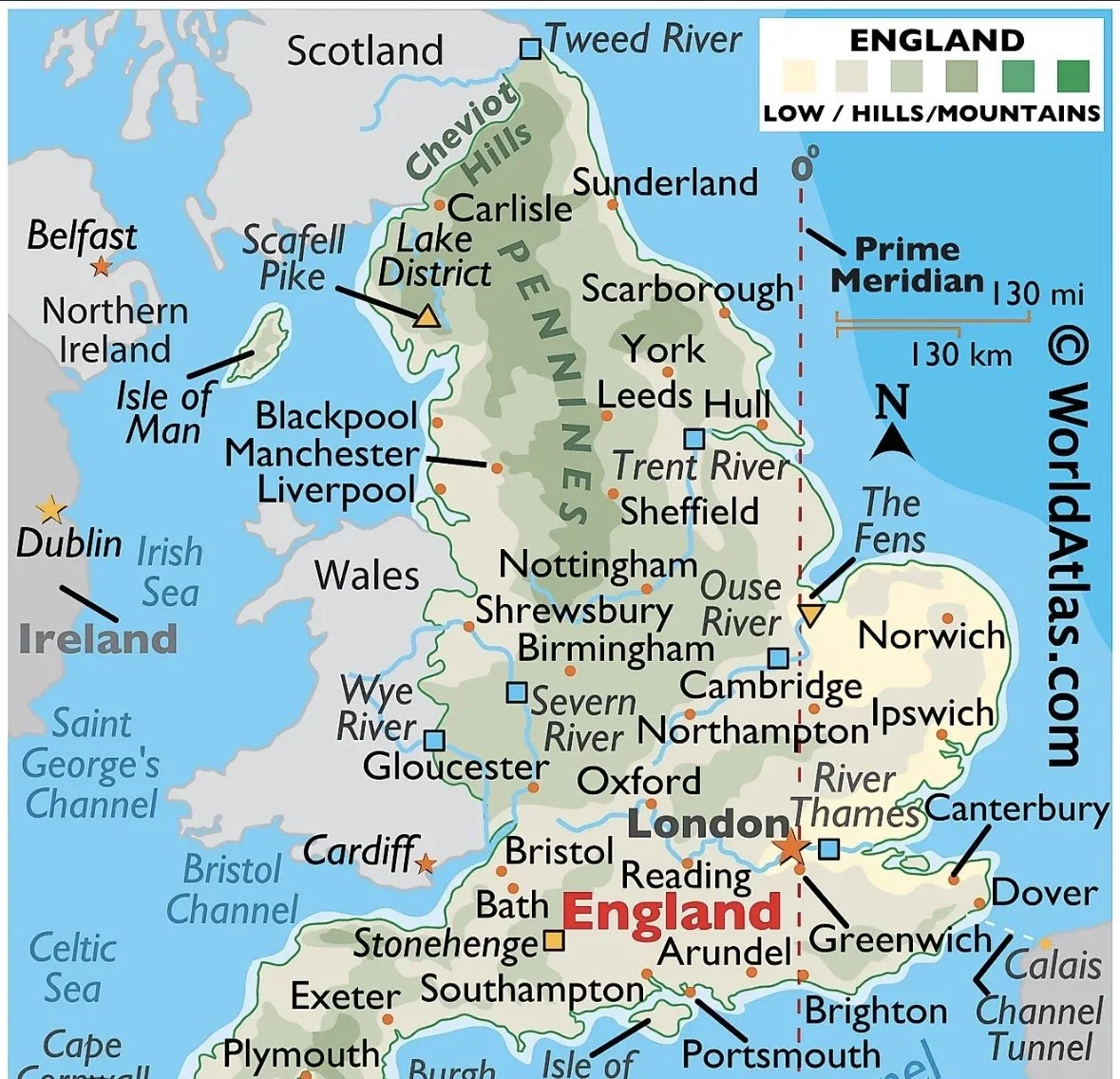
During this period in British history, there was the discovery of new lands as well as new cultures. Shakespeare reflects this in A Midsummer Night’s Dream through the influence of Sir Francis Drake’s accounts of sailing across the world. Sir Francis Drake was one of the first Englishmen to complete a circumnavigation of the globe and often described the places he visited as “exotic locals.” Shakespeare references this expanding worldview through the Indian boy in the play, highlighting how the English often viewed foreign cultures as opportunities for ownership or control rather than as equals.
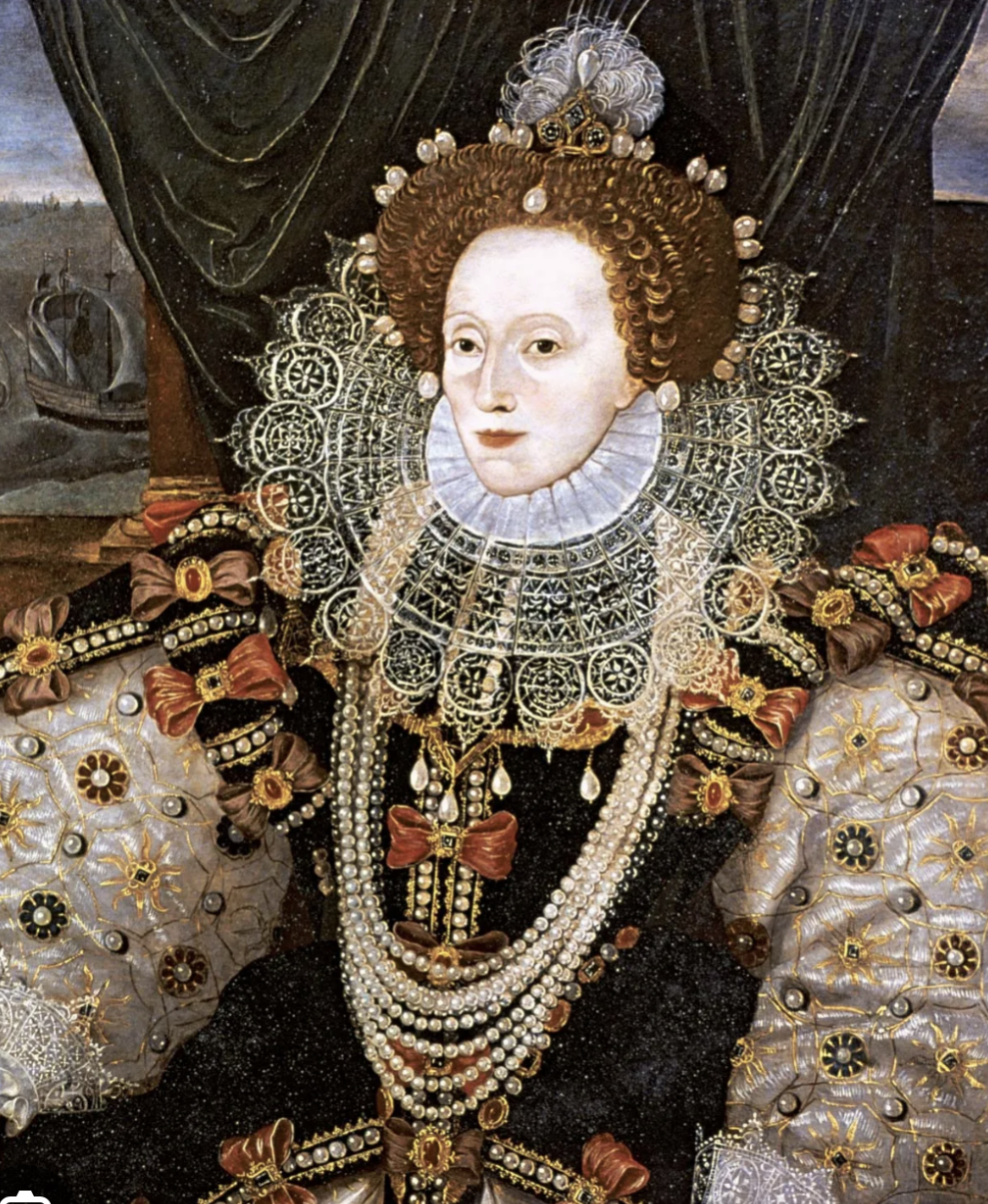
Shakespeare frequently drew inspiration from the monarchy and major historical events. For example, the defeat of the Spanish Armada influenced plays such as Henry V. During Queen Elizabeth I’s reign, the British Empire continued to grow, particularly with the establishment of the East India Company, which expanded trade and imperial power. Elizabeth I ruled longer than any other Tudor monarch and helped stabilize England during a period later referred to as the Golden Age. She passed numerous laws and regulations to maintain order as the nation expanded politically and economically.
This era was also marked by outbreaks of the plague, which forced theatres to close for extended periods. Despite these closures, many important theatres emerged during this time, including the Rose Theatre, the Fortune Theatre, and the famous Globe Theatre. In 1606, Parliament passed the Act to Restrain Abuses of Players, which fined actors for using profanity involving God’s name onstage.
During this same period, the British eventually made their way to the New World and established their first permanent colony in 1607, Jamestown. This marked the beginning of events that would eventually lead to the formation of the United States.
Why?
Resetting a play can help the audience better understand its themes and overarching concepts by allowing them to be explored more clearly or differently in a new setting or time period. Additionally, reinventing a play opens the door for new artistic ideas, interpretations, and creative possibilities.
Transforming a Renaissance play to the Modern World
Here’s Peter Brook’s Take on Resetting a play! He truly influenced theatre and taking apart a play.
Verse vs. Prose
Verse is a rhythmic and structured way of speaking, while prose is more free and speech like. The difference between the way these two forms and structure are used specifically in Shakespeare is that they can show class or other characteristics of a character. Prose is most commonly spoken by those of lower class, while higher class characters speak in verse.
Format and First Folio
First Folio
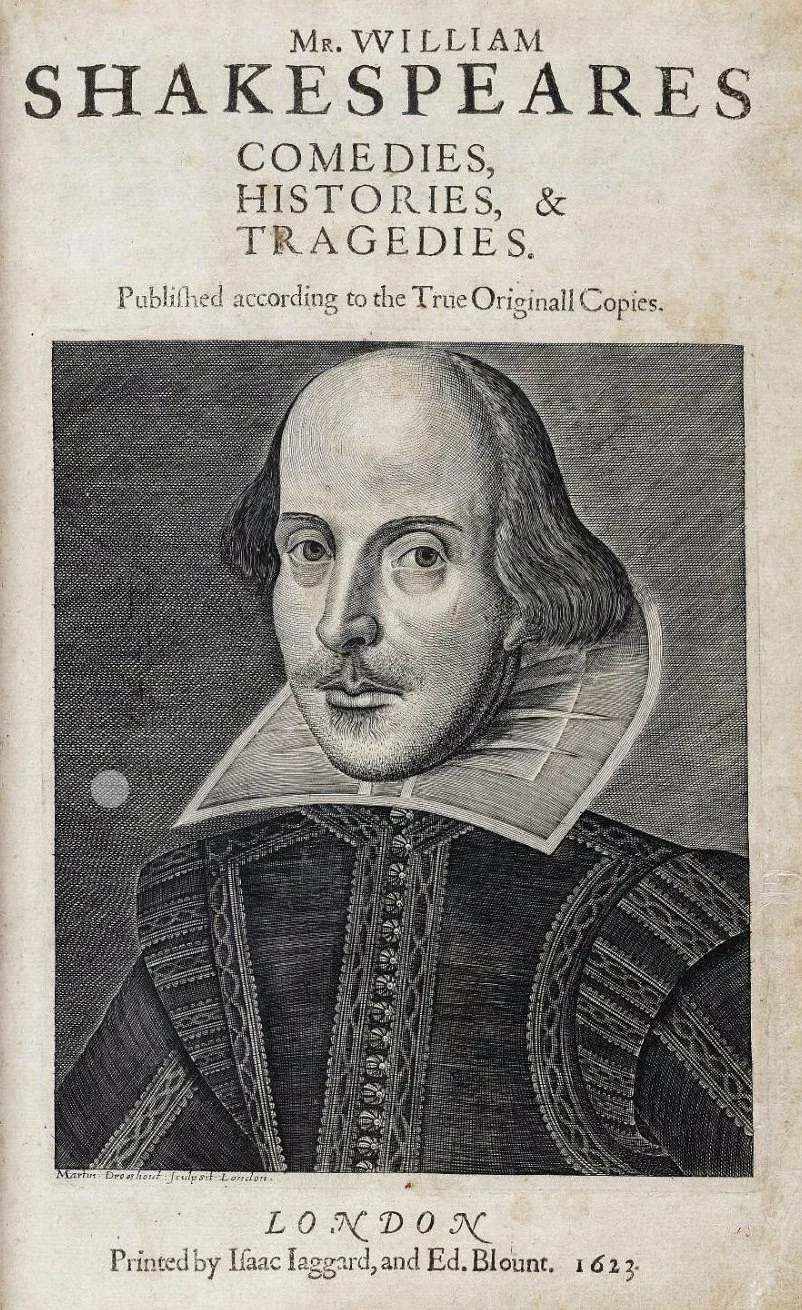
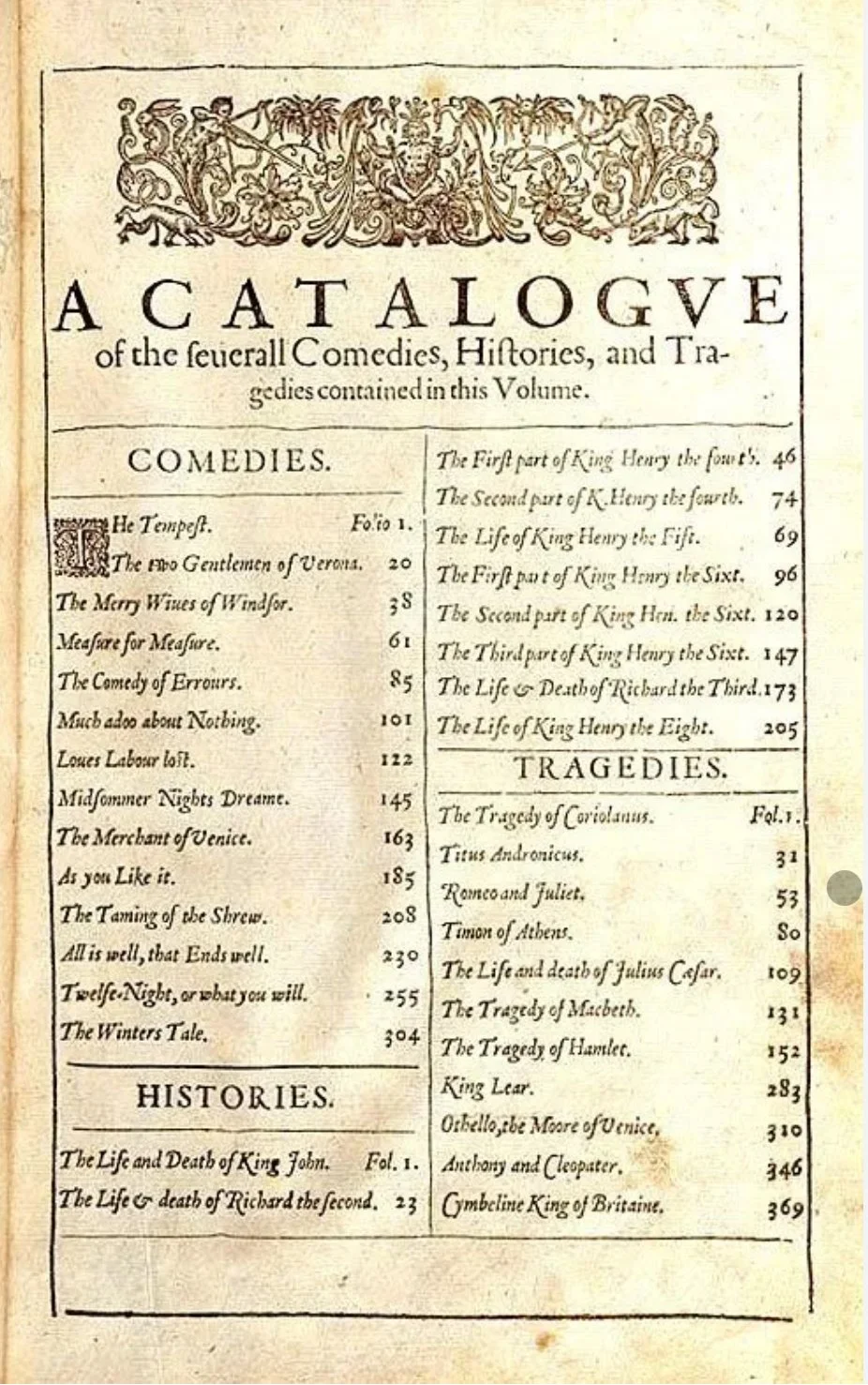
First Folio is all of Shakespeare’s works compiled into one. First Folio Technique is used as a technique used by actors to fully understand the language that is used within the play. It helps understand the structure of the writing as well as overall utilizing Shakespeare’s choices to better achieve what was intended.
Real World Character Connections
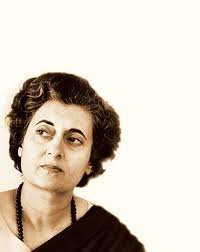
Hippolyta:Indrira Gandhi- Both strong will and powerful women that make their presence known. Both are known to be fair and demanding orders. They both are heavily impacted in war and demand justice.
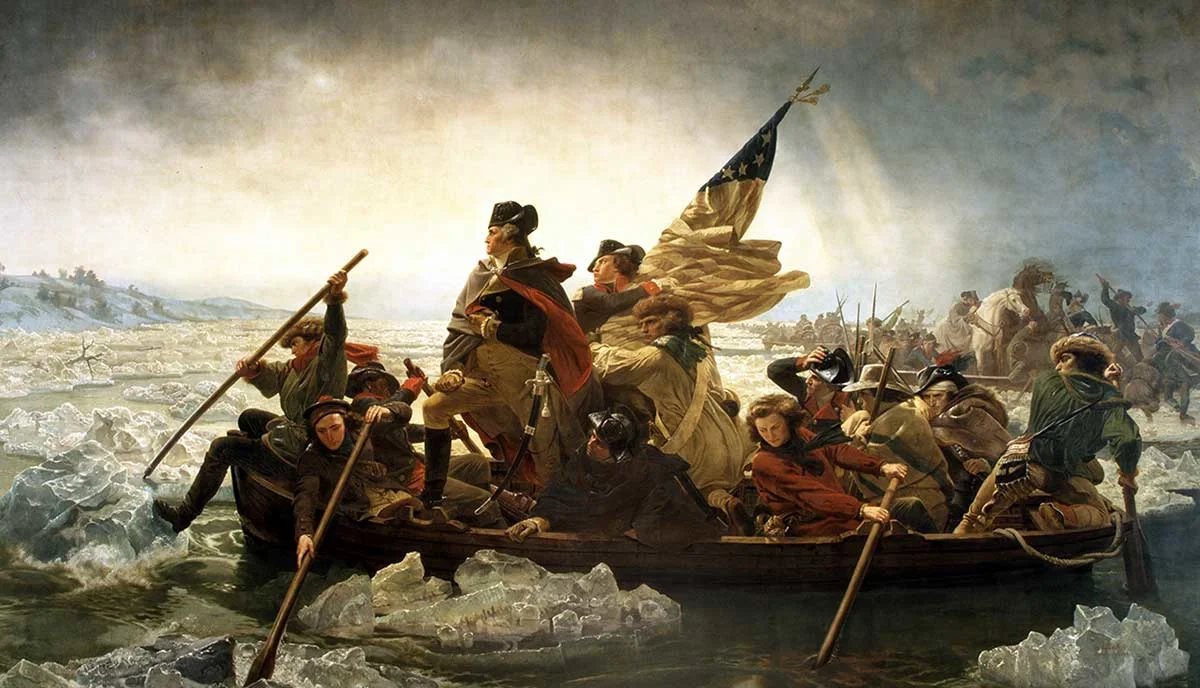
Theseus: George Washington- A parallel between the two as they both represent putting order back in black. Washington put order back into America, while Theseus restored order back in Athens. These two have a command and take up space making people notice the power they have in the room.
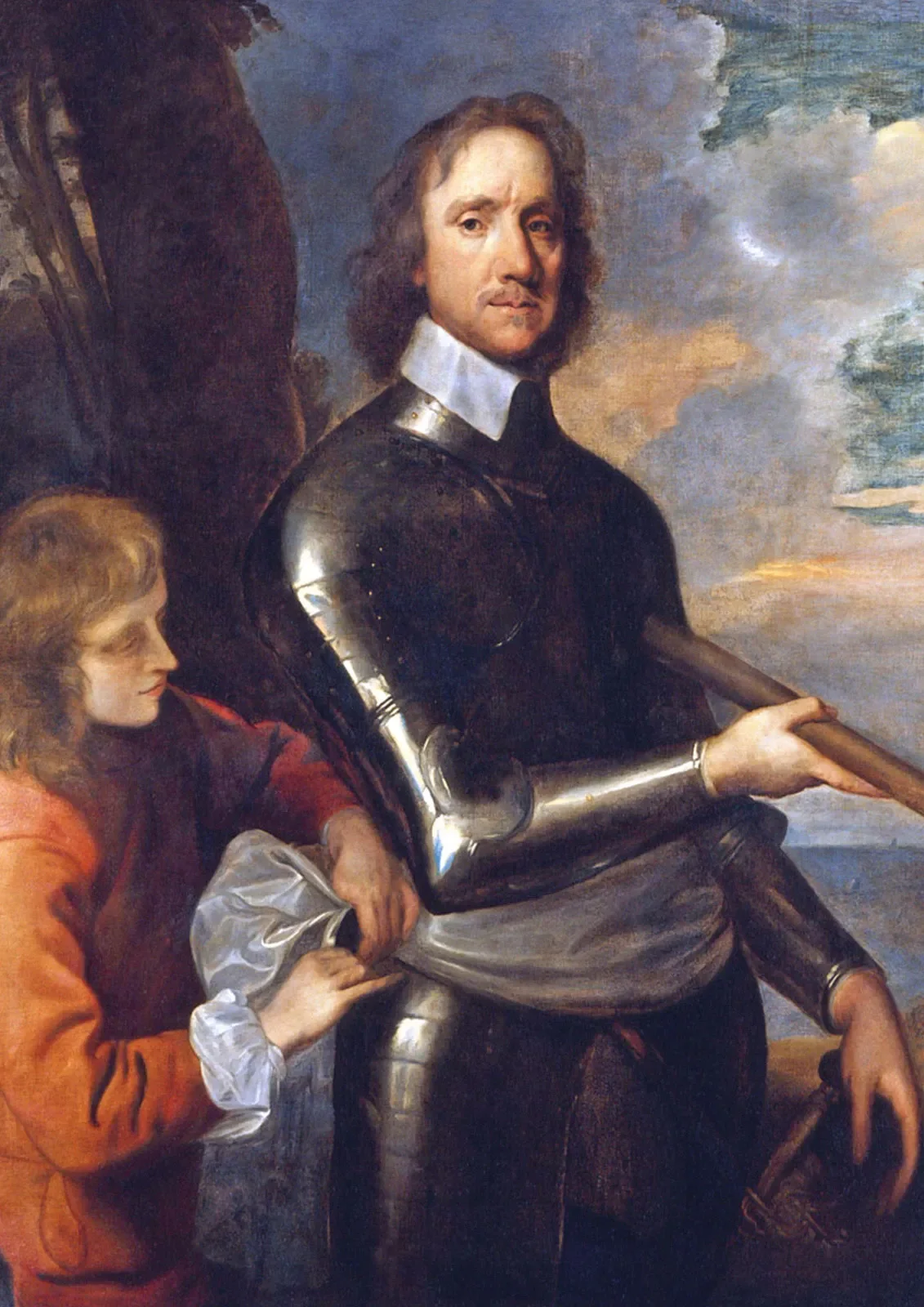
Lysander: Oliver Cormwell- Both devoted to the loves of their lives, despite the backlash that their partners may have received from a power greater than them. Both were on top of their game and have cunning strategies. They are protective and will go great strengths for love.
Hermia: Jasvinder Sanghera- Just like Hermia, Jasvinder, the British author, was able to escape the arranged marriage that her father set up for her with the help of her secret boyfriend. Both are courageous and resilient. It’s important to remember that women go through this on a daily basis, and even more important that they find their strength to speak up.
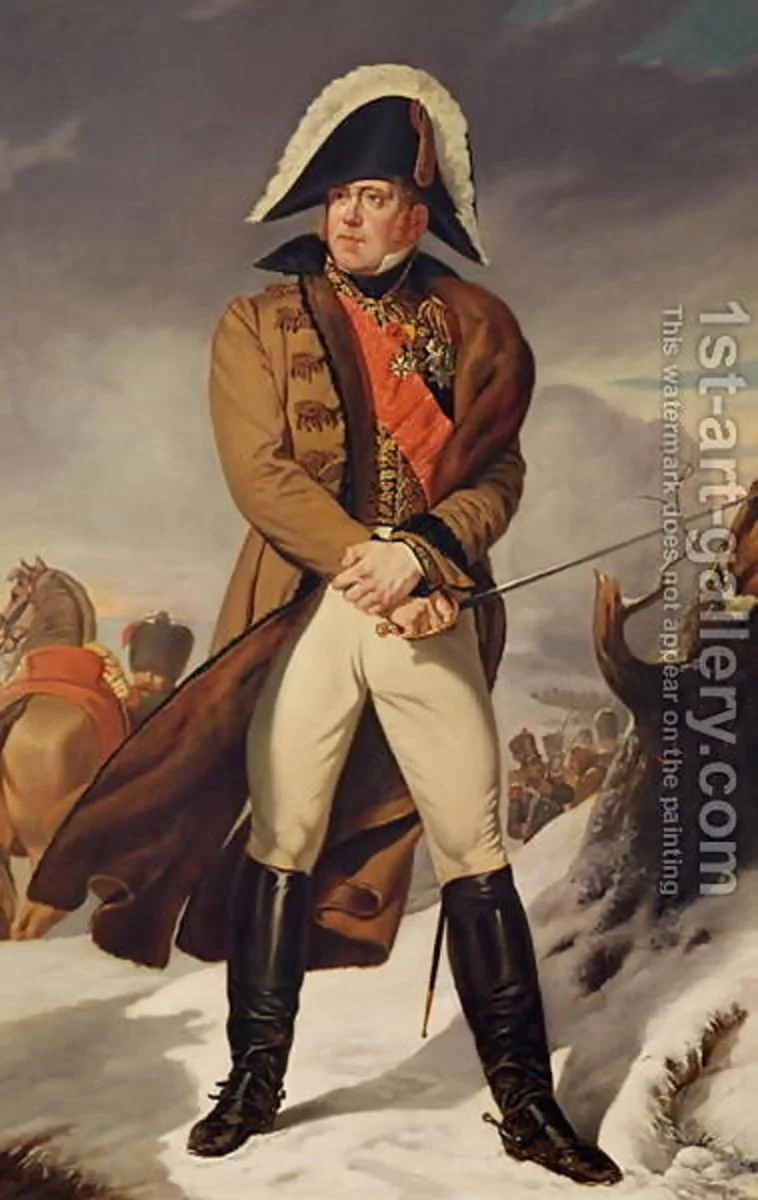
Demetrius: Marshal Nay-Both ended up with a woman they did find to love originally, but were dedicated to someone else. In Nay’s case, he was so dedicated to Napoleon that it ended up costing him not only losing his trust within the country but also his life. They give off “frat boy” characteristics that end up leading them to face stressful predicaments.
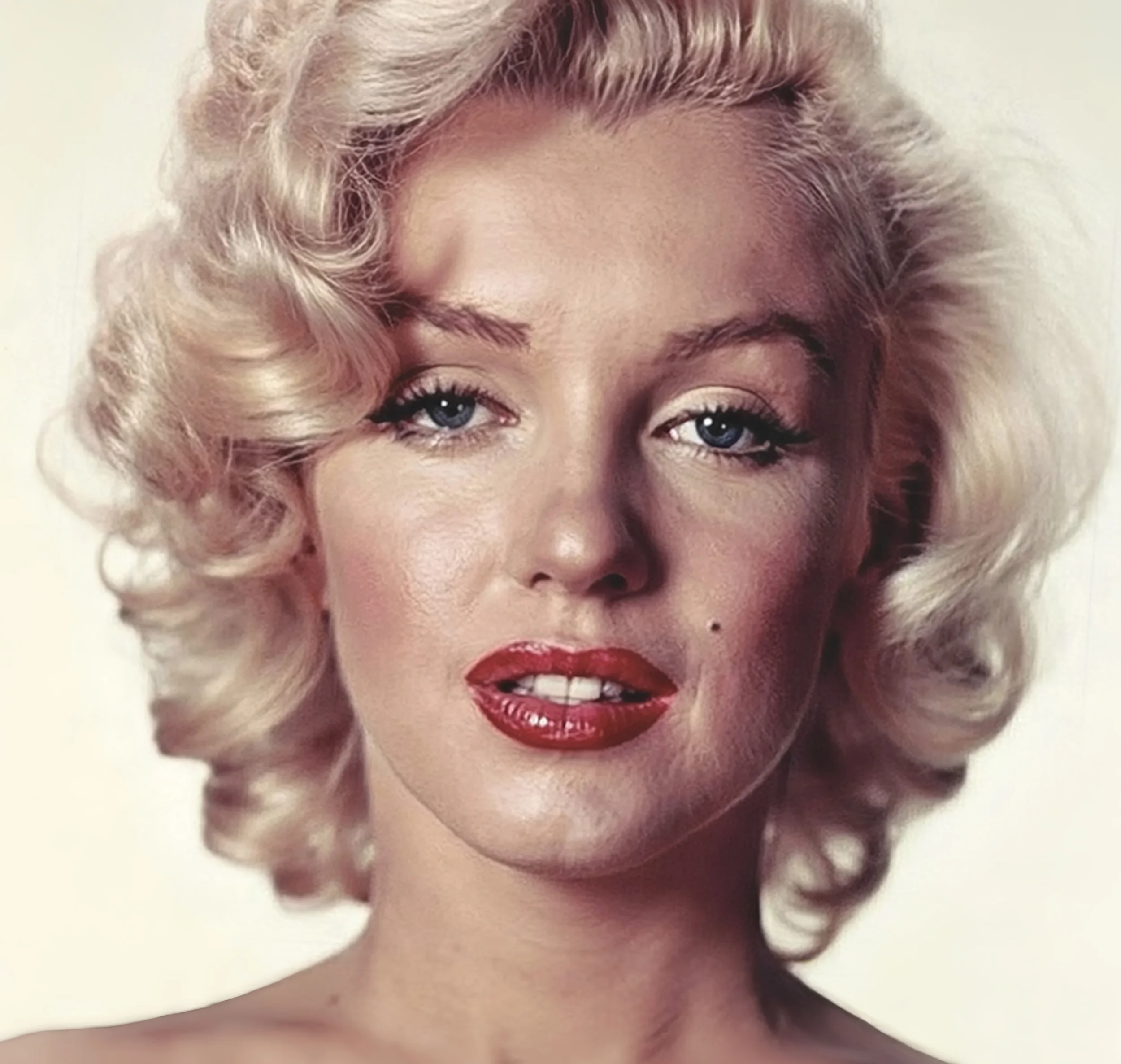
Helena: Marilyn Monroe- Even though both are beautiful, they have deep rooted insecurities that make them lack the confidence that they should have. They both felt unlovable, but craved genuine love that drove them into relationships that felt unstable. A tragedy of unfortunate circumstances that caused sadness and anxiety. Though they both eventually find love, it's a great challenge they must face to go through with it.

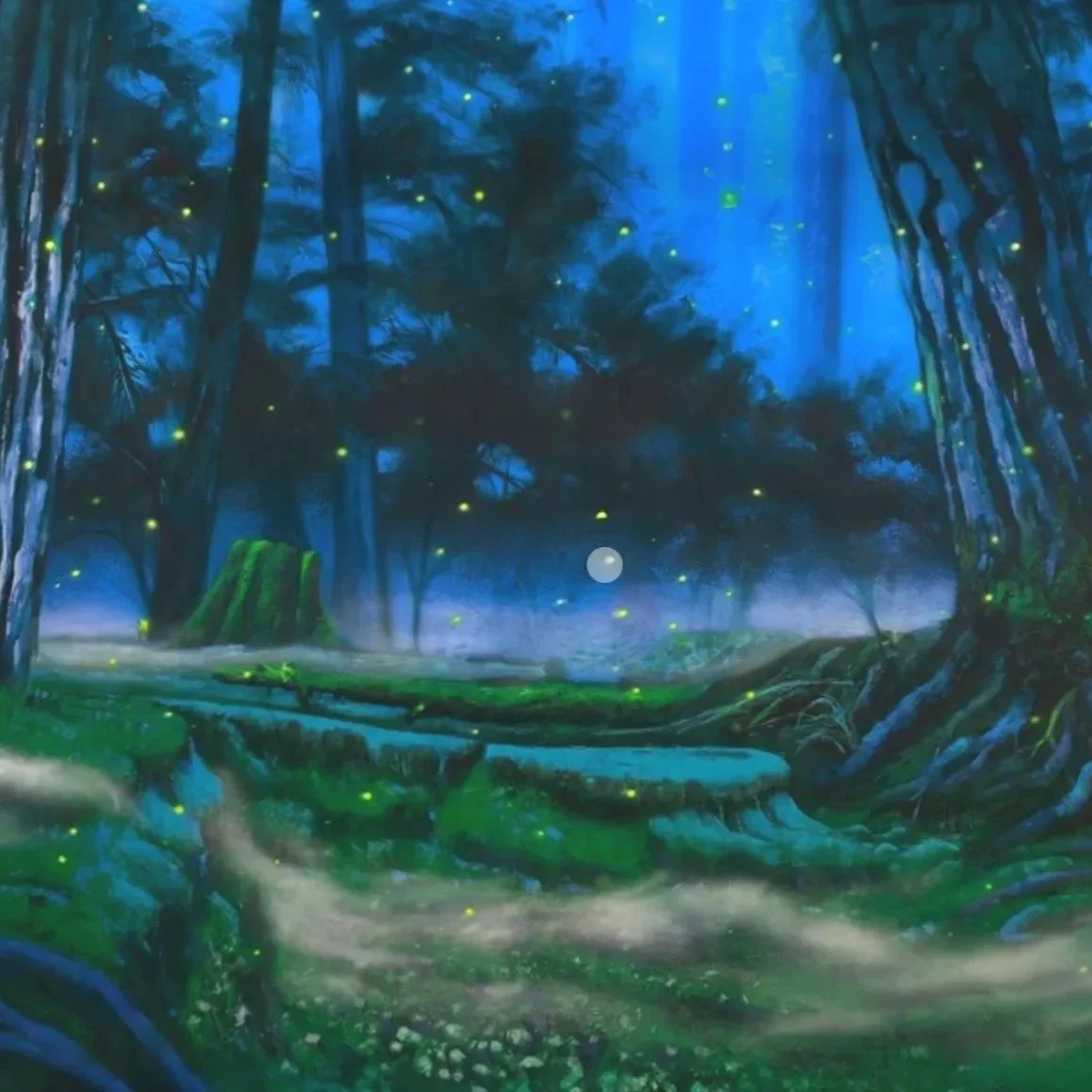
The environment is an essential part of A Midsummer Night’s Dream. It not only shapes the setting but also directly influences the characters, the weather, and the progression of the storyline.
The forest is one of the most important elements of the play. It symbolizes mystery and the unknown, as well as discovery, transformation, and renewal. The forest drives the plot forward and creates much of the chaos that unfolds. In many ways, the entire play is deeply rooted in the forest.
In our version of the play, environment and climate change play a significant role. Our costumes evolve around natural elements, drawing inspiration from nature itself. Large aspects of our set are also inspired by the natural world and the ever-changing climate, highlighting how environmental shifts can negatively impact both the world around us and the characters within it.
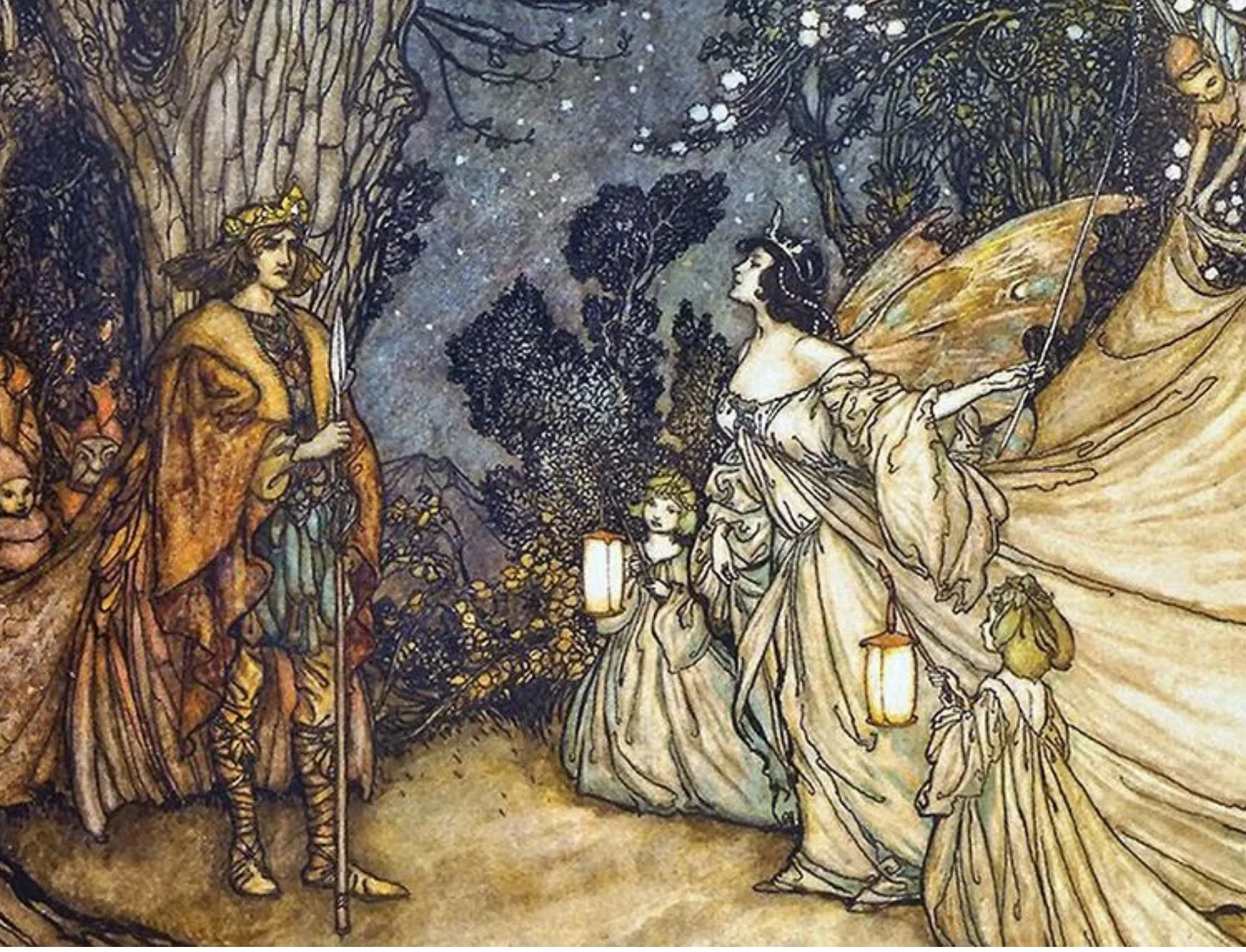
The Mythical World, that happens concurrently within the play, is all within the forest. Fairies and magic are a huge part of the mystery that lurks within. Their actions impact the characters and their overall plot. The mythical world twists the storyline.
Environmental Impacts and The Mythical World
References, Context and Different Ideas
Here are some more sources to help you get a better understanding of the world you’re creating!
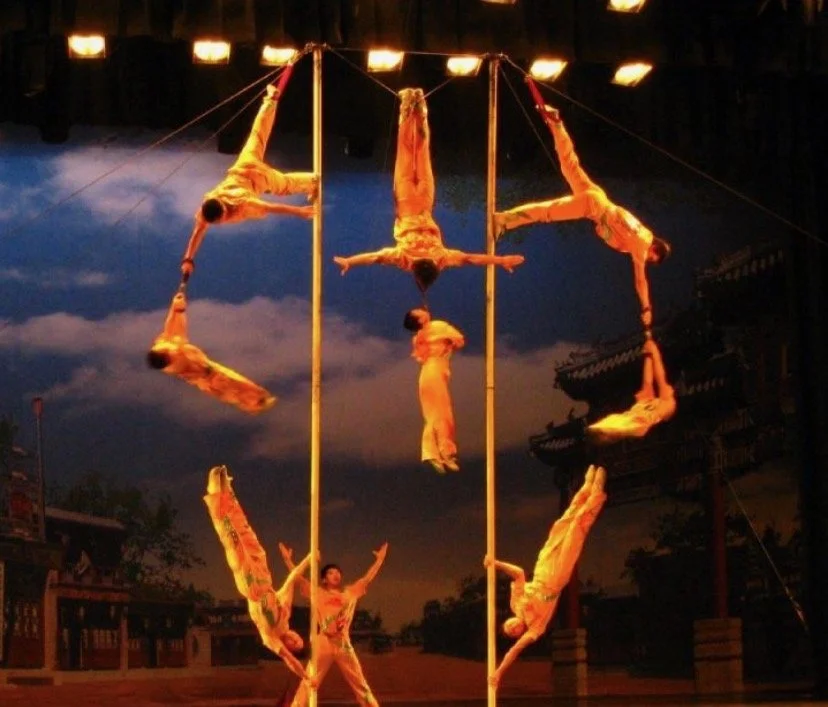
The Art of the Chinese Pole and acrobatics
Why call it the Chinese Pole?
This specific art form can be traced back to the Han Dynasty. It is meant to showcase the performer’s strength, flexibility, and control. Originally, only male gymnasts in China performed these gravity-defying techniques, but in modern times, performers of all genders practice pole acrobatics. In its early history, the art form was primarily used to train warriors for battle, focusing on physical strength and endurance.
One well-known move, called “the flag,” involves the performer holding their body horizontally at a 90-degree angle while gripping the pole. This move was originally used as preparation for battle in Chinese culture. Over time, the practice evolved and became a feature of circus and performance art. Today, it is also used as a strength exercise in gyms, particularly for building core and upper-body strength.
Pole acrobatics remains one of the more challenging acrobatic disciplines, as it requires full-body strength, coordination, and control, engaging nearly every major muscle group.
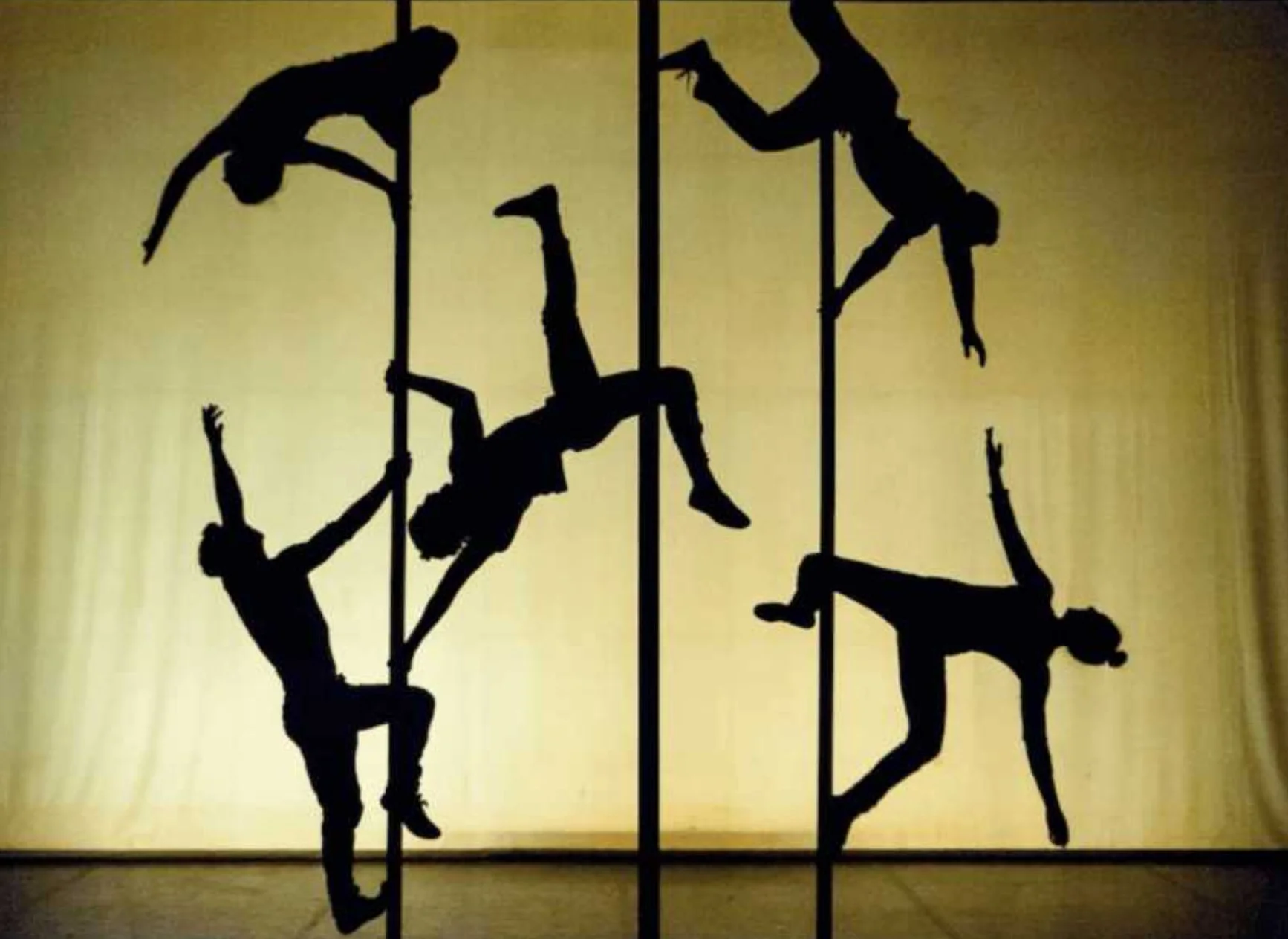
Acrobatics Throughout the History
The first traces of acrobatics date back to Ancient Egypt, where drawings show women performing backbends during ceremonies.
The word “acrobatics” comes from Greece, where festival performers were seen walking on tightropes.
Acrobatics can also be traced to the Tang Dynasty in China, where performances were common at harvest festivals.
In Medieval times, acrobatic performances appeared at royal courts, alongside the emergence of street performers.
During the Renaissance, acrobatics began to be seen as spectacle, appearing at fairs and marking the beginnings of modern circus art.
Philip Astley is credited with creating the modern circus in the 18th century.
The 20th century saw a resurgence in popularity, particularly with companies like Cirque du Soleil.
Today, acrobatics can be seen in gymnastics, dance, theater, circus, and other opportunities where it is used as an art form.
Art Nouveau Posters
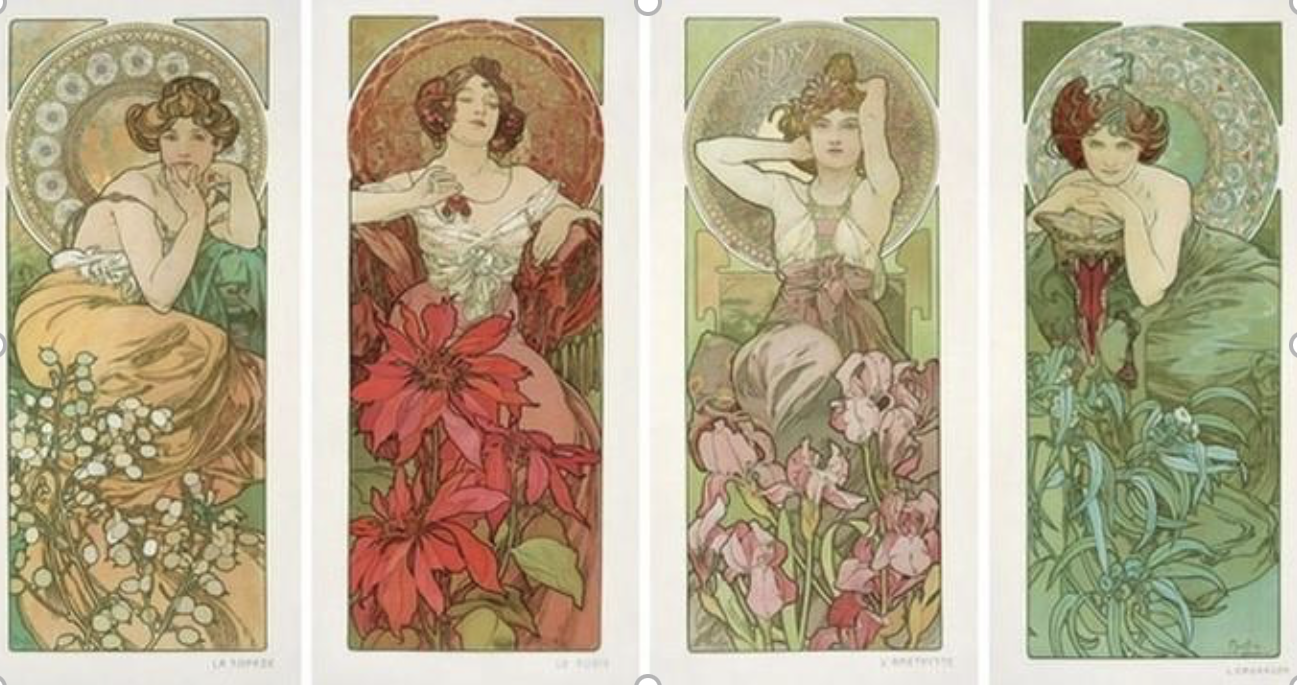
Alfonso Mucha- The Precious Stones (series)-1900-Color Lithograph
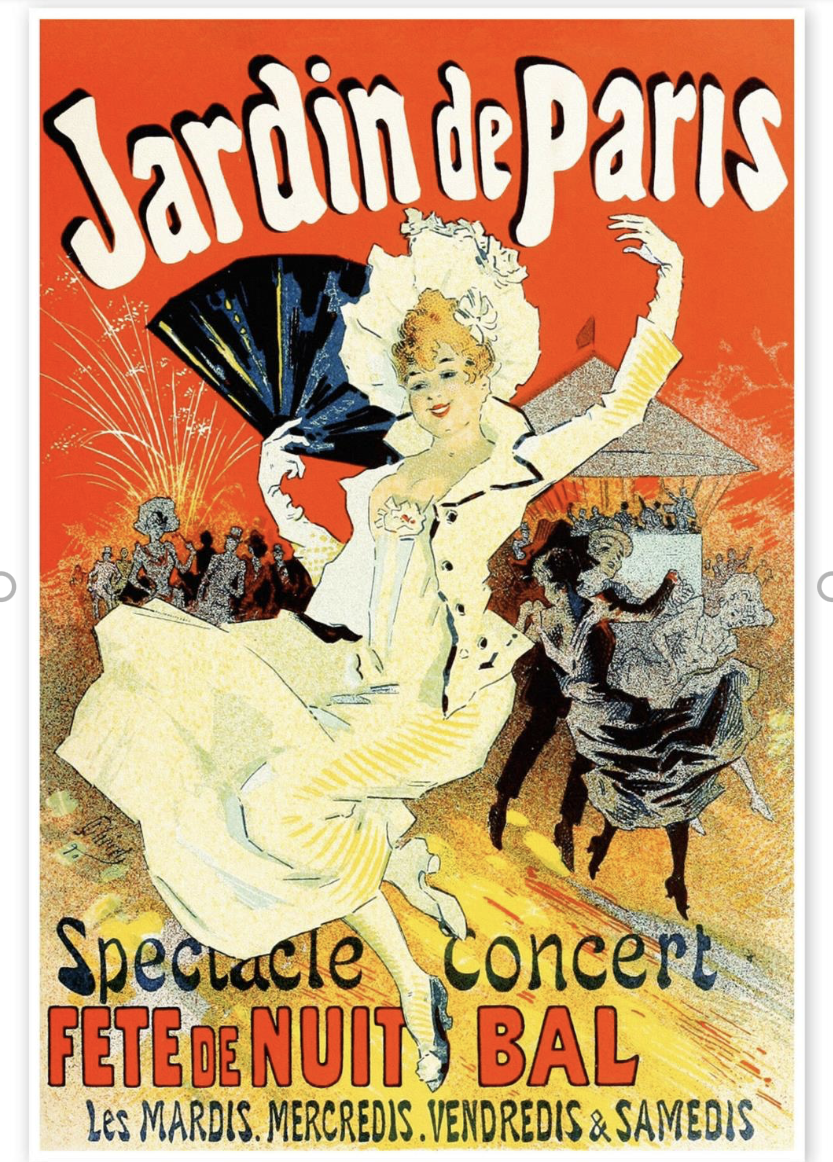
Jules Chéret- Jardin De Pairs- 1895- Color Lithograph
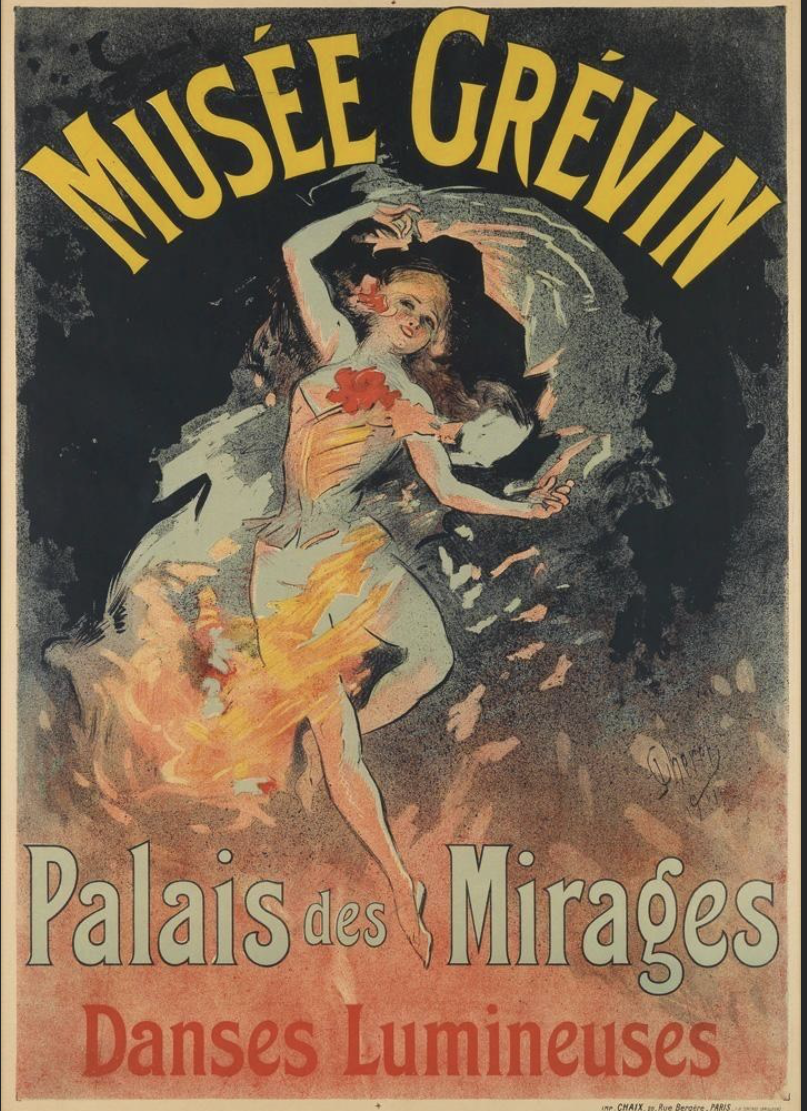
Jules Chéret -Musée Grévin, Palais Mirages -1911-Color Lithograph
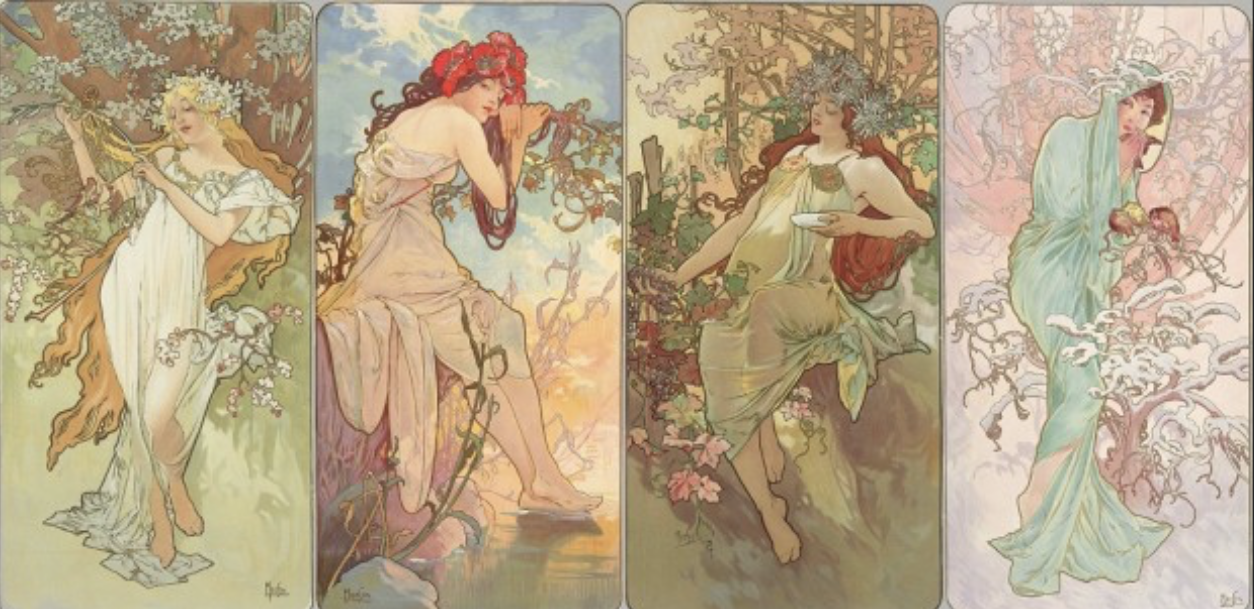
Inspiration for Fairy Poses
Alfonso Mucha- The Seasons (series)-1896-Color Lithograph
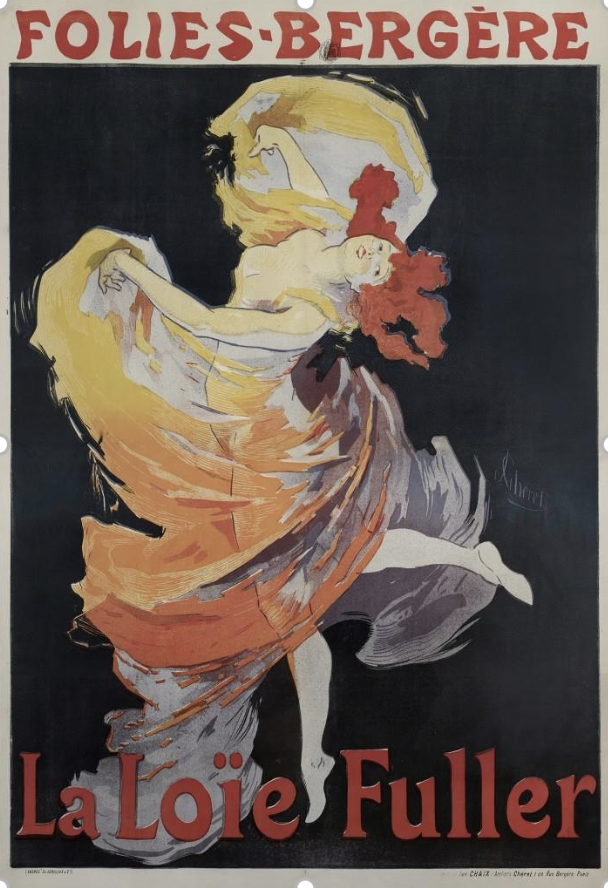
Jules Chéret- Folies-Bergère, La Foïe Fuller - 1983- Color Lithograph
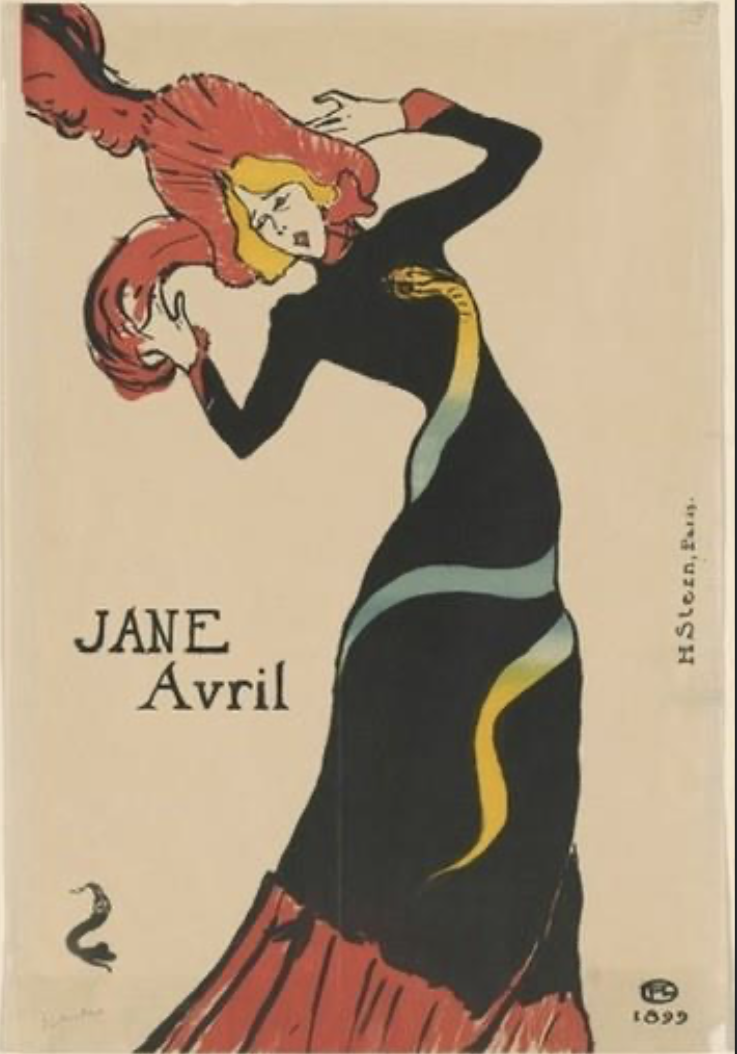
Henri de Toulouse-Lautrec Jane Avril -1899 -Color Lithograph
Glossary
-
accecpt or to be able to tolerate.
-
Astromanal calendar containing important dates such as a weather forecast.
-
Admitting and strongly affirm to something.
-
To express great regret.
-
A wet spongy ground due to being poorly drain acidic area filled with plant material.
-
Narrow crack or a metallic sound that may have to do with change.
Though warning this word in the modern world is often seen as a racial slur for Asians.
-
Ridicule or mockery in an insulting way.
-
Totally in love with another person or smitten.
-
Hostile
-
Swearing truth
-
Dishonesty, usually involving mischievous behavior around lying.
-
Rich soil containing clay, sand, and organic matter.
-
Light hearted or a joyful attitude.
-
Sneeze
-
A noun relating to a wedding or to be married.
-
Serious notion that happens to do with ceremony that can be solemn/ melancholy.
-
reject or to abandon something
-
Divided
-
to give or an act of bequest. In other words a gift of personal property.
-
Curse or wish harm on someone
-
Disapproval
-
Force or obliged to do something
-
A wealth elderly widow that holds a property title from her deceased husband.
-
To brighten
-
To ask someone earnestly and with deep feeling.
-
Livlely and cheerful
-
Uniforms or clothes handed to servants.
-
Calmed or soothed by
-
Expression with laughter
-
Light and quick with action
-
Lively or Cheeky
-
Irritable that leads to fustration and annoyance.