


Sophia Detisch
Co-Dramaturg
Madeline Fitzgerald
Co-Dramaturg

Tartuffe
Molière and The Creation of Tartuffe
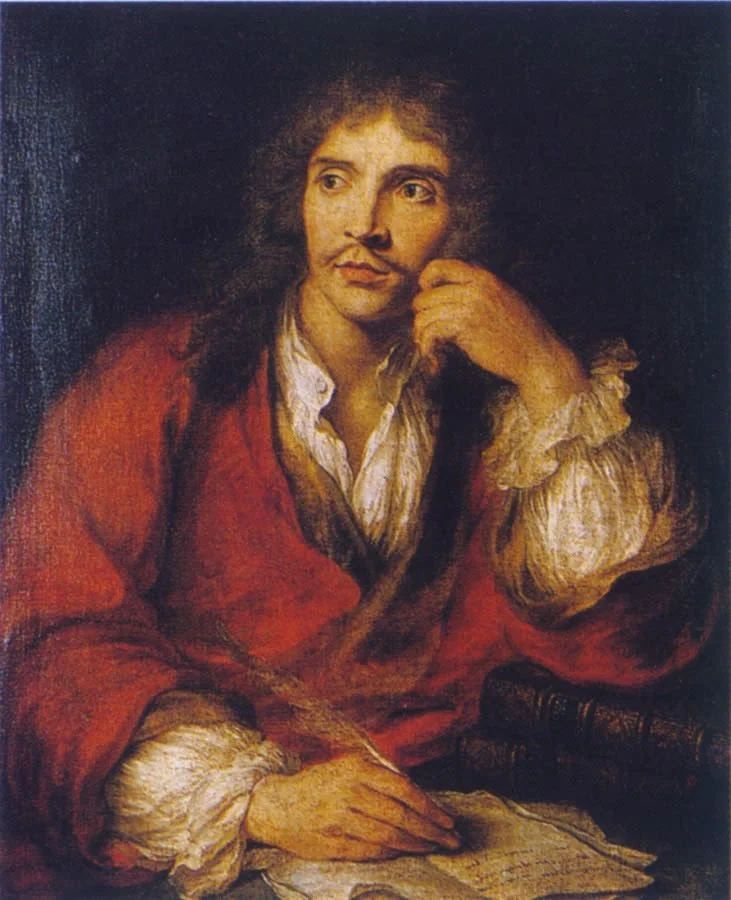
Jean-Baptiste Poquelin (January 15, 1622-February 17, 1673, or better known as his stage name Molière, was a French actor and playwright and is best remembered for his comedy Tartuffe though he is also praised as being one of the greatest French Dramatist. Molière initially started his career in theater by starting his own theater company, however, the expense of this company led Molière to go into debt, leading to his inprisonment twice in 1645. Molière’s troupe toured around France for thirteen years, and on their return to Paris in 1658 they performed at the Louvre for King Louis XIV, presenting Pierre Corneille’s Nicomède and an Original Molière’s play Le Docteur amoureux. These two performances were a success and granted the troupe patronage from the King’s brother for seven years, until eventually the King himself sponsored the company and named it “Troupe du Roi” or the King’s troupe. This endorsement from the King lead to much prestige and fame for both Molière and the company. Despite the harassment and controversy that Molière faced throughout his career, all of which stemming from his commentary on society in his plays, Molière never renounced himself as a creative. He stayed committed to his craft till his own death, where he had fallen ill on stage during a performance and later died in the following days. The Catholic Church initally denied Molière a Christian burial because of his actor status and because he never recieved the Sacraments, though as a final parting gesture King Louis XIV granted Molière a nighttime burial, allowing him peace at last.
Tartuffe was first performed as a three act play in 1664 at the royal court of Versailles for King Louis XIV. This play was written as a social commentary to not only satirize the upper-class, but also to expose the religious hypocrisy that plagued the church. As a response to this criticsm Molière wrote in his perface to Tartuffe that this comedy was “A clever poem which corrects men’s faults by means of agreeable lessons,” which encapsulates his views of comedy; that is for Tartuffe to be viewed not only as entertainment but as a way to learn and correct immoral behavoir. After its debut, the play led to so much outrage from the Catholic Church and its leaders that it was banned for five years. King Louis XIV helped to protect Molière during this time and eventually allowed performances of Tartuffe only if it was rewritten. Molière then rewrote the play into the five act verison and finally performed it in 1669 to much success, this verison is the one seen today.
Vocabulary and Definitions
-
a legal officer who serves an eviction notice or enforces a court order to seize property
-
Description tea temporary leader chosen during Christmas festivities in medieval and Tudor England to direct wild parties, feasts, and mock courts, turning normal social order upside downxt goes here
-
to be charmed, enchanted, or deceived through charm and cunning
-
a state of calmness, quiet, and stillness
-
a clever trick or action intended to deceive or mislead someone
-
a partnership or secret alliance, usually formed to do something dishonest, shady, or illegal
-
the strict social, moral, and aesthetic rules of polite behavior expected by 17th-century aristocratic society
-
to give your full support to a belief
-
a dramatic mix-up
-
deserving hatred
-
small, secret group of plotters or conspirators
-
the strict theatrical and social rule of propriety, fitness, and appropriateness
-
faithfulness or loyalty
-
show deep sorrow and regret for committing a sin or wrongdoing
-
obviously planned instead of natural or spontaneous
-
the supreme power and authority of a country to govern itself without interference from outside forces
-
nonsense or foolish talk
-
a firm warning
-
an archaic and sometimes derogatory term for a stage actor or theatrical performer
-
the act of spreading unverified or malicious gossip and false information
-
legal term for making a false statement of fact about someone that causes harm to their reputation
-
secret, pre-arranged romantic meetings or rendezvous between lovers
-
(false piety) the act of feigning deep religious devotion to manipulate and deceive others
-
a vain, flirtatious woman who manipulates men with charm and preening behavior for attention or personal vanity
-
a dish that is separate from or outside the standard courses of a meal
-
a person who falsely pretends to have special skills, knowledge, or professional credentials
-
putting something or someone in danger or jeopardy
-
a husband whose wife is unfaithful to him
-
the suffering or death of a person who refuses to renounce a religion or political belief
-
careless or negligent
-
doing something happily and casually
-
a whip
-
gladness or gaiety
-
successfully found a way around an obstacle
-
a peasant
-
being distant, unfriendly, or unengaged
-
treat as sacred
-
a mild, old-fashioned exclamation or oath used to express surprise, astonishment, or emphasis without swearing
-
a belief that deeply contradicts the official, orthodox tenets of a church or religious body
-
served as a literal guide for ideal Christian behavior
-
guided by sudden, unpredictable, or irrational changes in mood, behavior, or opinion
-
a person who assists a member of the clergy in a liturgical service
-
religious hypocrisy, a fake display of piety, and self-righteous manipulation
-
something that is not what it appears to be, or an argument based on faulty, deceitful reasoning
-
(roman) known for his fierce conservatism, opposition to Greek culture, and his relentless political push to destroy Carthage/—means describing someone as a stern, rigid moralist, a harsh critic of societal vices, and an unyielding defender of traditional values
-
money, food, or other goods given to poor or needy people as an act of charity
-
a strong fort or a safe place that protects something from being changed or destroyed/part of a castle that sticks out
-
calmness in a crisis
-
proceeding in a gradual, hidden way to cause serious harm
-
to criticize or belittle
-
decay, damage, or ruin
-
conclusion formed based on incomplete evidence
-
an ignorant person
-
a minor religious offense that weakens a person's relationship with God but does not destroy their soul's grace
-
is a formal written order issued by a court that commands a person stop doing something
-
a traveling quack doctor or fast-talking crook who stands on a public platform to sell fake medicines, using theatrical tricks, jokes, and skits to attract a crowd
Table Manners in 1660s France
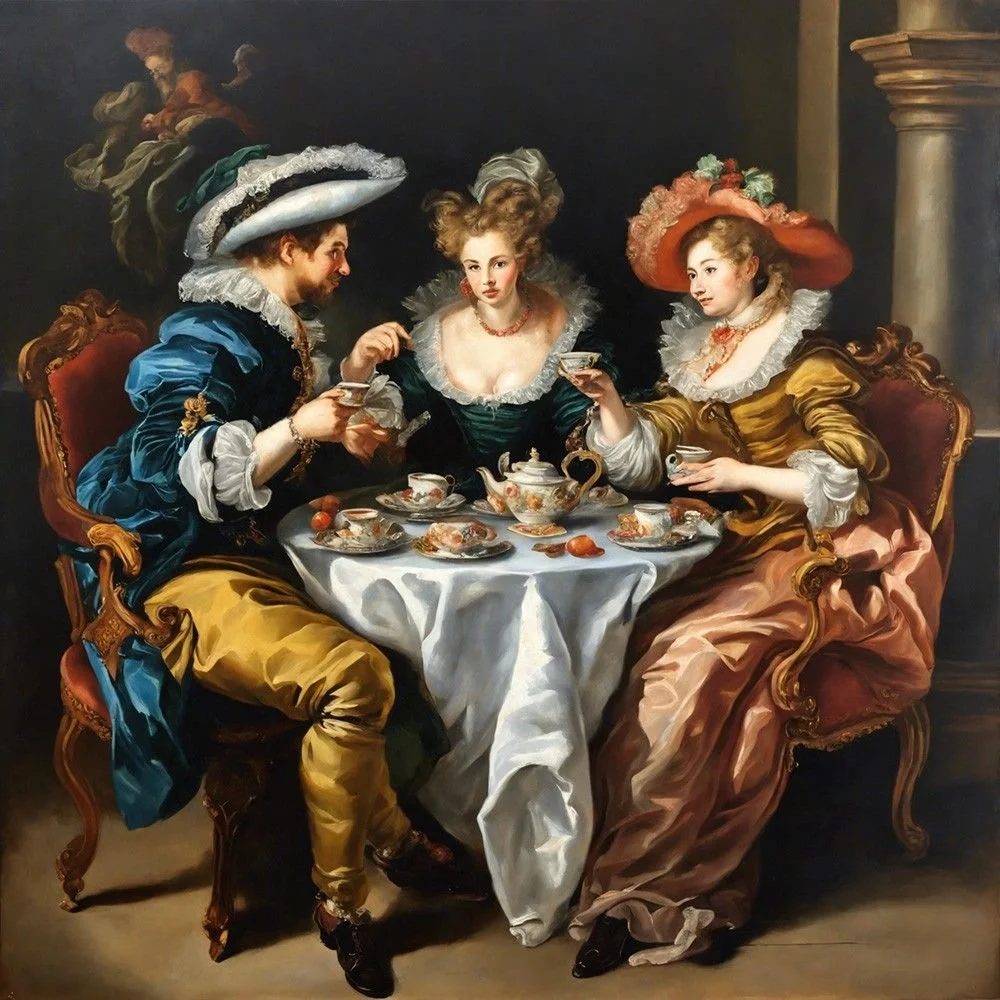
Manners originated as a response to rude and violent behavior and to distinguish the high-class from those below it. King Louis XIV wanted to establish this position of power and class throughout all of Europe, using visual style to show royal refinement, which reflected in table manners through the King’s elaborate meals. During a meal, food was arranged in a buffet style, as one simultaneous course. Each guest had their own cup to drink from, with this cup being placed behind the guest so that a servant would have to retrieve it anytime the guest requested. There was to be no elbows on the table nor no noise while eating the food. Napkins where used as to lick one’s finger was considered bad manners. A guest was also expected to use a knife to cut both meat and bread as well as to never blow on their soup.
French Greetings in 1660s
Under the reign of King Louis XIV, greetings themselves became theatrical and elaborate. Men would bow to each other with one foot extended forward. They would then bend from the hip, keeping the spine straight and removing their hat in a sweeping gesture. The depth of the bow depended on the status of the individual, the more superior the individual the deeper the bow. If they were equals, the bow would be identical. The women would curtsy to each other, with their knees bending and their torso straight and upright. Similar to the men, the depth of the curtsy was dependent on the class of the individual they were greeting.
Fan Etiquette
Feather fans arrived in Europe in the sixteenth century through expanding contacts with China and Japan. These early fans, made of ostrich or peacock feathers, were regarded for their exotic beauty and restricted to Royalty and aristocracy. Holding it to cover one’s face showed shyness, fanning oneself vigorously signaled irritation. Fans were used to flirt or show contempt; their color was imbued with significance. White symbolized purity; red stood for passion; black represented mourning.
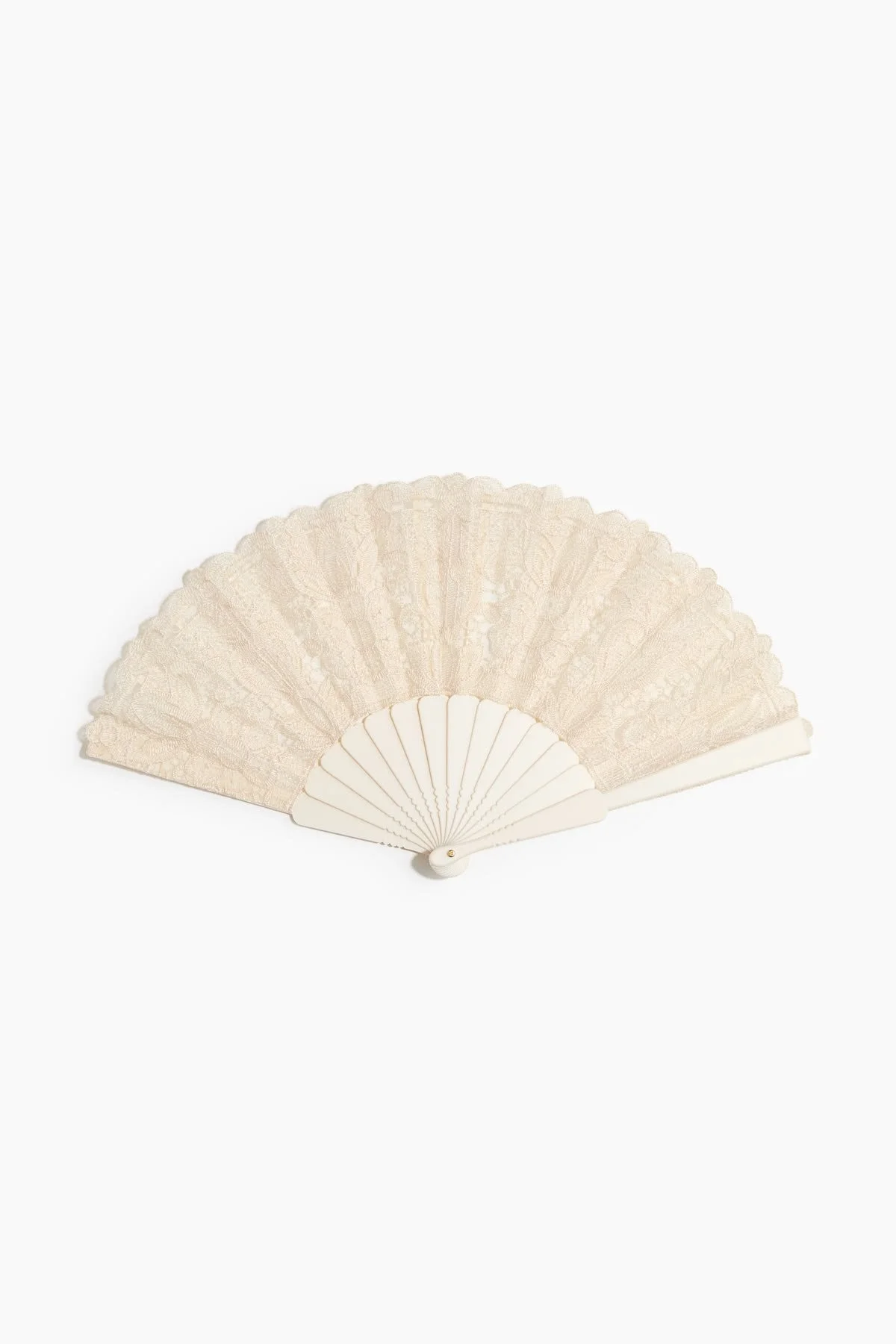
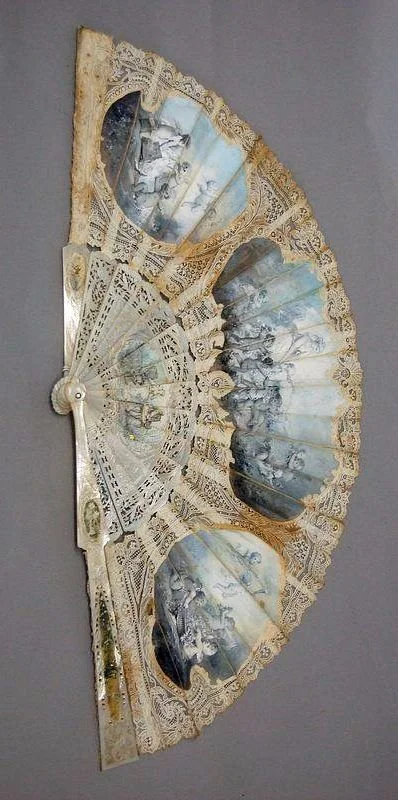
Fans of different sizes symbolized different levels of status. At the turn of the century, elite women favored large, fixed rigid fans. They were intentionally large to maximize visibility and showcase raw wealth. Because folding fans were imported via Portuguese maritime trade from China and Japan, they were incredibly expensive luxury items. Carrying one—regardless of the size—was a privilege reserved exclusively for aristocrats and the wealthy merchant class